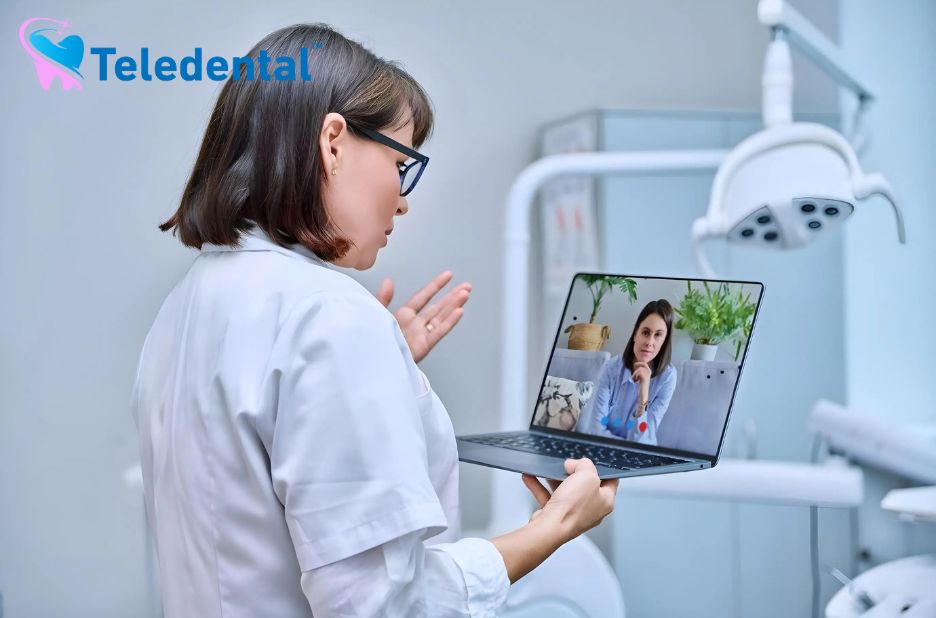
Overview of remote dental care
The delivery of dental services through remote means has reshaped how patients access care. Clinicians use secure platforms to assess symptoms, provide guidance, and plan treatments, reducing unnecessary in-person visits. This approach is especially helpful for routine checkups, triage, and follow ups after procedures. Patients Teledentists benefit from convenient scheduling and timely feedback, while practitioners can monitor multiple cases efficiently. Emphasis on patient safety and privacy remains a central pillar, with clear protocols for consent, data protection, and secure communication channels guiding every interaction.
What Teledentistry looks like today
Teledentistry brings together video consultations, store-and-forward imaging, and remote monitoring to extend reach beyond the clinic. Dentists can review bite issues, discuss symptoms, and determine if an in-person visit is needed. Across specialties, digital records and Teledentistry imaging enable informed decisions without geographic constraints. This model supports rural communities, busy professionals, and caregivers who manage childrens dental needs, turning traditional expectations of care into flexible, patient-centered experiences.
Practical benefits for patients and clinics
For patients, remote consultations cut down travel time and wait periods, making routine opinions faster and more convenient. Clinics gain efficiency through standardized intake forms, asynchronous image reviews, and triage protocols that prioritize urgent cases. Practitioners also document care decisions clearly, ensuring continuity of treatment. While not a substitute for all procedures, Teledentistry often guides patients toward appropriate in-person services when necessary, without compromising safety or quality.
Clinical considerations and limitations
Remote care works best for discussion, assessment of visible concerns, and interim guidance between visits. Some conditions require hands-on evaluation, specialized imaging, or in-office procedures that cannot be replicated remotely. Clinicians balance patient expectations with clinical judgment, ensuring that any plan aligns with best practices and regulatory standards. Clear communication about what can be achieved remotely helps patients make informed choices and reduces misinterpretations.
Future directions and patient empowerment
As technology evolves, platforms increasingly integrate AI-assisted screening, predictive analytics, and streamlined patient portals. These tools support clinicians in prioritizing cases and delivering personalized recommendations. For patients, continuous access to education, appointment reminders, and secure messaging fosters proactive oral health habits. Embracing Teledentistry means expanding access, improving adherence, and encouraging smarter, more sustainable dental care decisions.
Conclusion
Teledentists and teledentistry are reshaping how people approach dental health, offering practical ways to get guidance and care without always visiting a clinic. As services mature, patients should feel empowered to ask questions, share images, and participate actively in their treatment plans. Visit Teledental.com for more insights and practical tips on navigating remote dental care in everyday life.