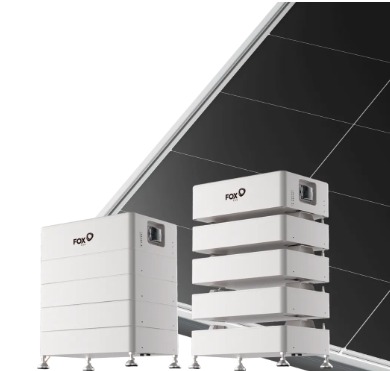
Overview of home energy storage
Embracing a solar battery system helps households store excess daytime solar energy for use after sundown or during grid outages. This approach enhances energy independence, reduces reliance on the grid, and can stabilise power supply during peak demand periods. When selecting solar battery system components, consider battery chemistry, capacity, cycle life, and safety features. An informed setup aligns with daily consumption patterns, ensuring stored energy is available for essential appliances and lighting without overpaying for electricity from the grid.
Choosing the right battery chemistry
Different chemistries offer varying trade offs between cost, longevity, and performance. Lithium iron phosphate batteries are popular for their stability and longer cycle life, while nickel manganese cobalt catalysts may present power density advantages. For most homes, a well-sized pack paired with a reliable inverter provides smooth operation and meaningful savings over time, especially when paired with smart energy management software that prioritises critical loads.
System sizing and integration
Accurate sizing begins with a clear view of daily energy use and sun exposure. A balanced setup considers daytime generation, storage capacity, and the devices you need powered during an outage. Integrating with existing solar PV systems often involves a compatible inverter and an adequate battery bank. Professional assessment helps prevent undersizing, which can result in insufficient backup power, or oversizing, which wastes capital and complicates maintenance.
Installation considerations and safety
Professional installation is essential for ensuring electrical safety and code compliance. Proper placement of the battery, ventilation requirements, and secure cabling minimise risks while maintaining easy access for future maintenance. Look for installers who provide clear documentation, warranties, and post install support. Regular inspections and software updates help maximise cycle life and keep the system performing as intended.
Operational tips and cost benefits
Optimising a solar battery system involves scheduling appliance use to coincide with peak sun hours, utilising daytime charging, and leveraging smart controls. While upfront costs can be substantial, long term electricity savings and resilience during outages can make the investment worthwhile. Track performance metrics such as depth of discharge and round trip efficiency to ensure the system continues to meet your goals.
Conclusion
In summary, a well planned solar battery system can provide reliable power management, financial savings, and greater energy resilience. For ongoing support and ideas on improvements, check out resources and guidance from industry experts. Visit Green Grid Pty Ltd TA Ultimate Energy Australia for more information and updates on practical energy storage options.