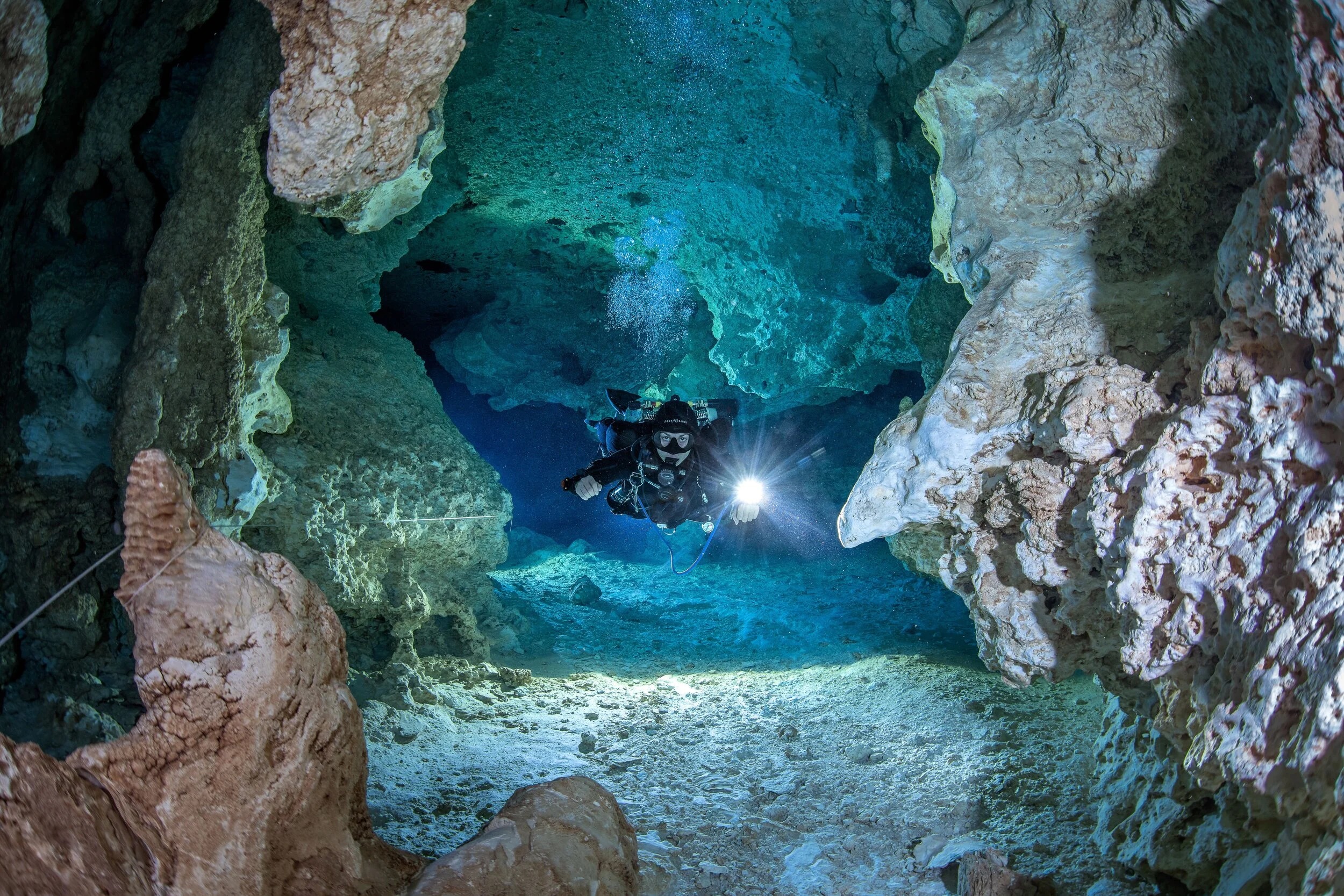
What makes cavern diving special
Cavern diving offers a unique vista beneath the surface, where daylight filters through openings and the reef life becomes the backdrop to careful exploration. This activity demands respect for the underwater environment, disciplined buoyancy, and an understanding of how to follow lines and limits. Before plunging into cavern diving any cave system, divers should assess visibility, current, and overhead environment. Training courses cover gas management, cave mapping, and emergency procedures, all aimed at keeping divers safe while they learn the craft and enjoy the serenity of submerged chambers.
Essential gear and preparation tips
Having reliable equipment is vital for cavern diving, including a recognised primary and secondary air source, a guideline reel, a surface marker buoy, and appropriate lighting. Buoyancy control devices should be tuned to the diver’s level of experience, with redundancy kept in mind for potential equipment failure. A well-fitting wetsuit and solid gloves protect against temperature shifts and abrasion, while a slate or wet notes help log each dive detail. Preparation also means planning routes in advance and rehearsing bailout procedures with a buddy.
Skills every diver should master
Key skills cover navigation using the guideline and natural features, staying within the recognised overhead limits, and maintaining appropriate line awareness at all times. Practising controlled descents and ascents reduces the risk of entanglement, and effective air management ensures a comfortable safety margin. Team communication, including hands-on Signals, is essential in restricted environments where visibility can fluctuate. Regular drills and refresher courses keep these competencies sharp as divers progress into more complex submerged networks.
Conservation and responsible exploration
Responsible cavern diving emphasises minimal impact on the underwater landscape and wildlife. Divers should avoid touching formations, crabs, or fragile stalactites and avoid disturbing fish with excessive movement. Waste-free procedures, careful planning of gas reserves, and adherence to local regulations contribute to sustainable exploration. Respect for the environment and fellow divers helps protect these spaces for future generations while still enabling the enjoyment and learning that cavern diving offers to enthusiasts new and old alike.
Conclusion
For those curious about testing their limits in calm, illuminated passages, cavern diving can be a rewarding pursuit when approached with care and solid training. It is wise to work with a trusted shop or instructor to build confidence step by step and stay within certified boundaries. Take time to review local guidelines, connect with experienced divers, and continuously practise procedures. Visit Go Dive Mexico for more ideas and community insight, and to explore options that suit your level of experience.