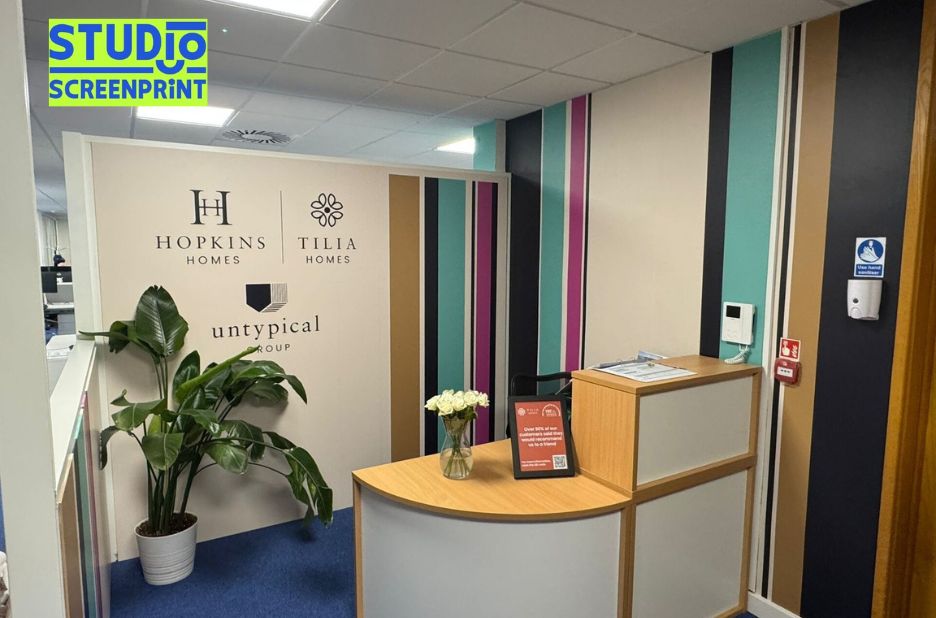
Overview of in store printing
Retail environments rely on clear, durable prints to communicate prices, promotions and brand messages. The right setup balances speed, quality and cost, ensuring receipts, banners and shelf tags look professional while remaining affordable for daily use. The options can vary from on site printing to outsourced batches, point of sale printing but the fundamentals remain the same: legibility, consistency and value. Businesses should map their needs against the capabilities of available printers and media, considering how often assets need to be refreshed and how they will be displayed across different locations.
Choosing the right printers and media
When evaluating devices, consider print speeds, resolution and integration with your point of sale software. Durable media such as coated papers or synthetic labels can withstand handling in busy environments. For banners or display panels, large format printers may be more appropriate, while small format receipts and tickets require compact options. It’s sensible to test colour consistency and durability under typical lighting and wear conditions to avoid costly reprints or faded signage that harms customer trust.
Workflow and efficiency gains
Streamlining the printing workflow reduces wait times at checkout and minimises manual steps for staff. Automated templates, standard operating procedures and batch processing help ensure uniformity of style and information across all materials. Centralised asset management enables faster updates for promotions, price changes or seasonal campaigns. Regular audits of printed items can catch drift in colour, font or layout before customers notice, keeping branding coherent across the store network.
Budgeting and total cost of ownership
Escalating print volumes can push costs quickly, so it’s important to forecast demand and plan for scalable solutions. Consider initial hardware investment, ongoing consumables, maintenance, and potential outsourcing. Total cost of ownership also includes downtime and replacement cycles for printing components, as well as the need for spare parts. A pragmatic approach weighs upfront prices against long term benefits, ensuring a predictable budget that supports growth without compromising quality.
Conclusion
Effective point of sale printing depends on matching the right hardware with durable media, smart workflows and steady budgeting. By focusing on legibility, durability and speed, businesses can deliver clear signage at the right moments. Visit Studio Screenprint Ltd for more insights and practical guidance on print strategies that suit retail environments.