What makes a great sound system
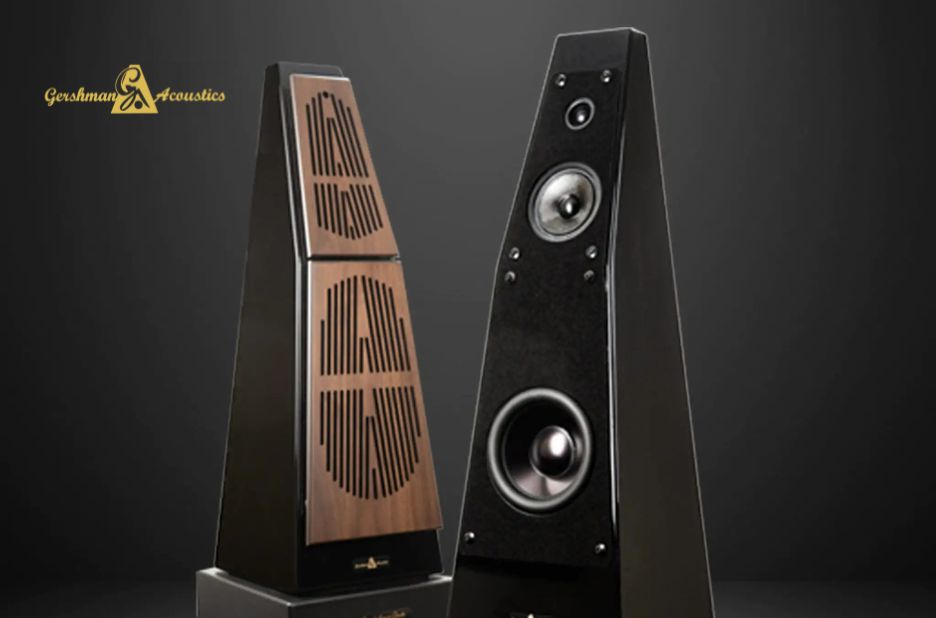
Selecting a premium listening setup starts with understanding room acoustics and how speakers interact with them. A balanced speaker should deliver accurate imaging, clean bass, and a natural midrange without harsh edges. For many listeners, the path to satisfaction involves stepping away from mass market offerings and exploring lines that prioritise transparency and build quality. By focusing on fundamentals such as cabinet construction, crossover design, and driver alignment, you gain the tools to evaluate performance with real music. Reference Audiophile Speakers As you build your shortlist, consider how you will use the system. Critical listening sessions benefit from familiar material across genres, allowing you to hear subtle changes in tone, stage depth, and dynamics. A thoughtful approach to placement—distance from rear walls, toe-in, and height—can dramatically alter perceived detail and coherence. Practical checks like impedance compatibility and power handling help prevent under‑ or over‑driving the speakers.
Exploring Reference Audiophile Speakers traits
High‑end speakers aim for neutrality, but every design presents a character. Some emphasize the liquidity of strings and cymbals, while others prioritise rhythm and pace. It is useful to listen for three core traits: tonal balance across the audible spectrum, transient response that preserves attack, and stage width that remains stable as you move your head. A meticulous reviewer will note how well the highs avoid glare, how the mids render vocal texture, and how the lows extend without sounding bloated. Your notes should map to your music library and listening priorities.
How to judge build quality and longevity
Durability matters as much as sound. Inspect drive units for consistent coatings, test mounting hardware for firmness, and examine binding posts for secure connections. Cabinets should feel solid with minimal resonance, while internal damping reduces coloration. Pay attention to finishing quality and warranty terms, since these often signal long‑term support and careful engineering. A well‑engineered speaker can sustain musical integrity over many years, remaining coherent across casual listening and critical sessions alike. Expect that refined performance comes with sensible design trade‑offs rather than gimmicks.
Manufacturer insights and listening plans
When building a reference toolkit, balance direct listening with research. Read maker white papers and analyse measurement data, but also reserve time for unaided listening with trusted reference tracks. Create a short list of the most revealing recordings to test harmonic balance, dynamic range, and vocal placement. Comparing pairs side by side often clarifies small but important differences that numbers alone cannot capture. A practical schedule — short sessions over several days — reduces listener fatigue and yields more meaningful conclusions.
Conclusion
With patience and careful auditioning, you can identify a pair of Reference Audiophile Speakers that align with your musical tastes, room, and system. Remember to prioritise neutrality, build quality, and consistent performance across genres. Visit GERSHMAN ACOUSTICS for more guidance and insights as you refine your selections and plan your setup for lasting listening pleasure.