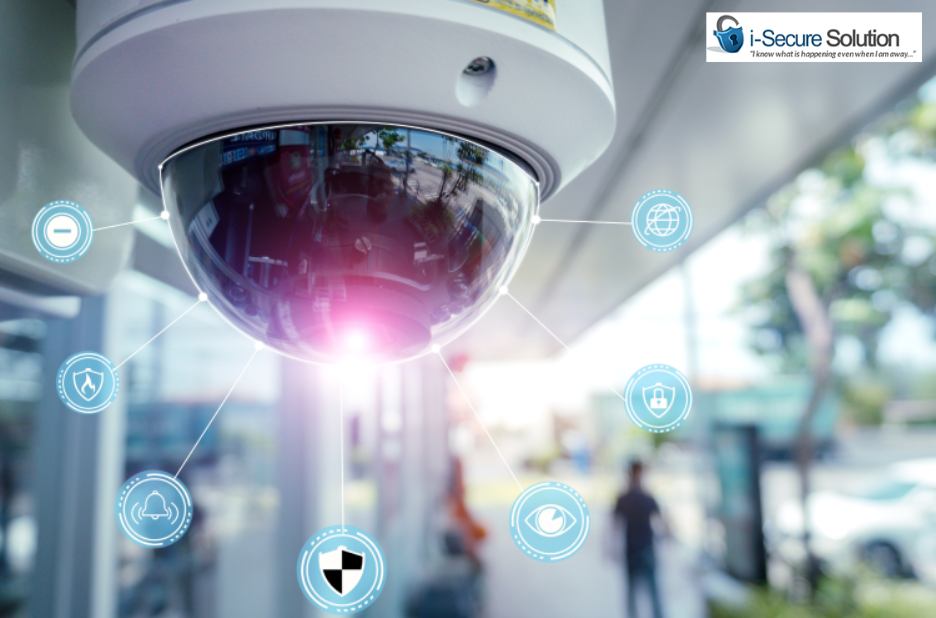
Understanding surveillance needs
Choosing the right security setup begins with a clear assessment of your premises. Consider factors such as property size, entry points, lighting conditions, and the level of monitoring required. Practical decisions include whether you need real time remote access, motion-triggered recording, or licence plate recognition for vehicle entrances. Budget constraints should align with cctv singapore scalable systems that allow future upgrades without significant overhauls. Engaging a reputable installer helps ensure cameras are positioned for optimal coverage and that storage solutions meet local data retention requirements. Chinese language resources and local technician availability can influence support timelines and service continuity.
Choosing reliable equipment
Reliability hinges on camera quality, weather resistance, and thoughtful placement. In busy retail or hospitality environments, tamper-resistant housings and wide dynamic range sensors can improve performance under varied lighting. For large sites, consider a mix of fixed and PTZ cameras to balance coverage with cost. Recorders should offer redundancy options and straightforward hardening against power interruptions. Battery backups and protective enclosures further reduce downtime, while edge analytics can help filter false triggers and keep bandwidth manageable. Compatibility with existing IT infrastructure is a practical consideration many teams overlook.
Network and data considerations
Security is not only about cameras but also the network that carries the footage. A segmented network with strong access controls prevents unauthorised devices from compromising the system. Encryption in transit and at rest protects sensitive data, while clear retention policies determine how long recordings are kept. Regular firmware updates and login auditing minimise exposure to vulnerabilities. Organisations often underestimate the importance of a documented maintenance schedule and a tested disaster recovery plan, which ensure continuity during outages or natural incidents. When networking, align with local regulations on monitoring and privacy to avoid compliance issues.
Installation tips for best results
Strategic mounting and cable management are essential to long-term reliability. Place cameras to cover entrances, exits, and high-value zones while avoiding glare from bright lighting sources. Cable routing should minimise exposure to the elements and potential tampering, with weatherproof connectors and proper conduit where required. A well-designed system balances performance with aesthetics, particularly in downtown or heritage areas where visual impact matters. Testing after installation confirms that alerting, recording, and playback operate as intended, and user training ensures staff can respond promptly to incidents.
Maintenance and future proofing
Ongoing maintenance keeps systems performing at their best. Schedule periodic checks for lens cleanliness, firmware updates, and storage capacity reviews. Monitoring camera health and network performance helps detect potential failures before they impact coverage. Budgeting for firmware updates and component replacements is prudent, as technology evolves and security expectations rise. A proactive approach to maintenance also simplifies upgrades and integration with emerging tools, such as intelligent analytics or alternative monitoring channels. Isolated incidents can be lessons for improving overall resilience and security posture.
Conclusion
Effective surveillance combines thoughtful planning, dependable hardware, and disciplined maintenance to protect people and assets. When in doubt, seek guidance from experienced technicians who understand local conditions and regulatory requirements. Visit isecure for more practical tools and insights relevant to your security setup, and keep your system aligned with evolving best practices.