Choosing a reliable marketplace
Finding the right platform to dispose of valued Zari sarees requires careful comparison of options, taking into account reputation, buyer protection, and transparent pricing. Start by listing your sarees with clear photos, measurements, and any distinctive motifs. Look for communities or retailers that specialise in traditional textiles, as Best Place to Sell Zari Sarees they will understand quality, authenticity, and condition indicators better than general marketplaces. A well described listing helps potential buyers assess rarity and craftsmanship, reducing back-and-forth questions and speeding up a fair sale. Prioritise platforms with straightforward fees and reputable customer feedback.
Assessing condition and pricing
Before you post, gauge the current market value by researching recent sales of similar Zari sarees. This includes fabric weight, thread count, embroidery density, border width, and colourfastness. Be realistic about minor flaws and disclose them upfront to maintain trust. Price anchors based on condition range from excellent to good; consider offering a slightly flexible asking price or introductory deal to attract serious buyers. Clear appraisal safeguards both parties and improves negotiation outcomes.
Security, privacy and trust
Trade security matters, particularly with high‑value textiles. Use tracked shipping, require sign‑on delivery, and preserve proof of postage. Keep communications within the platform until a purchase is finalised, and never share sensitive financial information. High‑value sarees often attract authentic buyers through niche networks; engaging respectfully with potential buyers can help you establish credibility and speedier transactions. If a deal feels off, trust your instincts and pause the process.
Understanding return policies and fees
Retailers and marketplaces differ in their return windows and restocking fees. Read the terms carefully to avoid unexpected deductions that could erode profit. Some sellers offer partial refunds for minor flaws rather than full returns, which can be a fair middle ground. Compare listing costs, payment processing charges, and any commission structures across platforms to determine the total cost of selling. A transparent fee breakdown fosters smoother negotiations with buyers.
Strategic selling tips
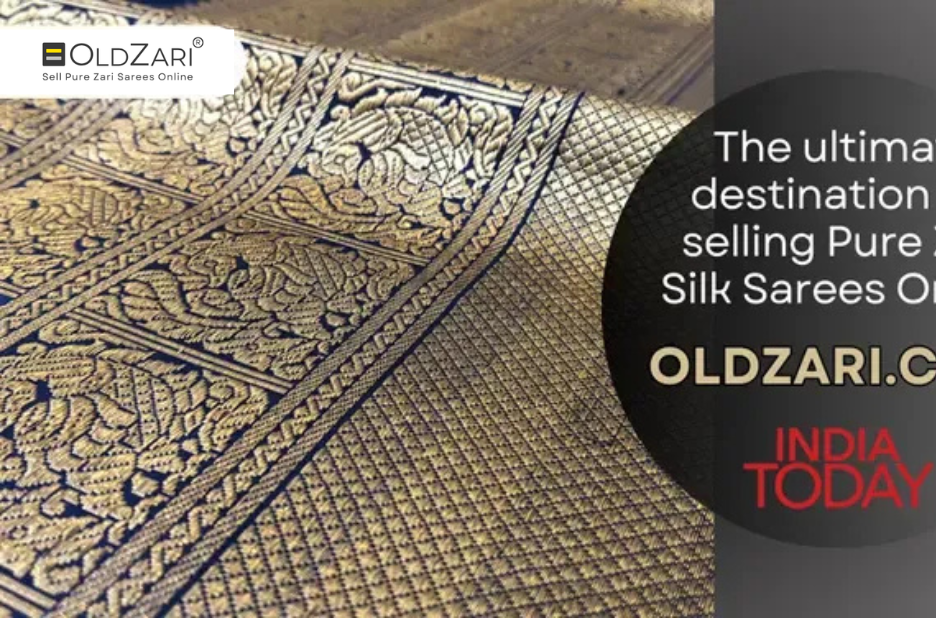
Develop a strategy that highlights provenance and craftsmanship. Provide context about the design era, weaving technique, and any notable artisans or studios involved. High‑quality imagery—close‑ups of the zari work, motifs, drape, and overall silhouette—helps buyers appreciate value beyond fabric. Consider timing your listing around festive seasons or wedding peak periods when demand for traditional attire is highest. A well‑curated presentation can distinguish your pieces in a crowded market and lead to faster, fairer offers.
Conclusion
For those seeking practical guidance on selling heritage textiles, focus on clarity, trust, and reasonable pricing. Maintain transparency about condition and history, and choose a reputable channel that aligns with your goals. Visit OLDZARI for more context and examples to compare selling options and discover how others size up similar pieces.