Overview of local options
Finding suitable care can be challenging, and families often look for facilities that balance independence with support. In Minneapolis, several care homes and community-based services offer structured routines, trained staff on site, and access to 24/7 assistance where needed. When evaluating options, consider the level of Assisted Care Facilities Minneapolis medical oversight, availability of on-site activities, and the ease of modifying care plans as needs evolve. A transparent admissions process, any required assessments, and clear pricing should help families compare like for like and plan ahead without surprises.
Services and daily living support
Assisted living providers frequently combine accommodation with support for daily activities, including meal preparation, medication monitoring, and personal care such as dressing and mobility assistance. Residents benefit from social opportunities designed to reduce isolation, such as group outings, exercise classes, and hobby clubs. Care teams typically work with families to create personalised plans, ensuring that routines reflect personal preferences while meeting safety requirements. Comfort, respect, and dignity remain central to every interaction.
Choosing the right level of care
Understanding the spectrum of services helps families select the most appropriate option. Some facilities offer enhanced supervision for residents with memory concerns, while others focus on companionship and wellness programmes. It is useful to request a sample plan that outlines a typical day, visit the premises, and meet the care staff. Clarify policies on respite stays, transition between levels of care, and emergency procedures to avoid disruption during future changes.
Practical steps for assessment
Begin with a clear checklist that includes safety features, staff qualifications, and accessibility. Check local inspection reports and talk to current residents or families to gain firsthand insights into daily life and responsiveness. Inquire about nutrition, dietary accommodations, medication management, and how care plans are reviewed and updated. A well-organised facility will have consistent communication channels and transparent billing practices, helping families make informed choices with confidence.
Conclusion
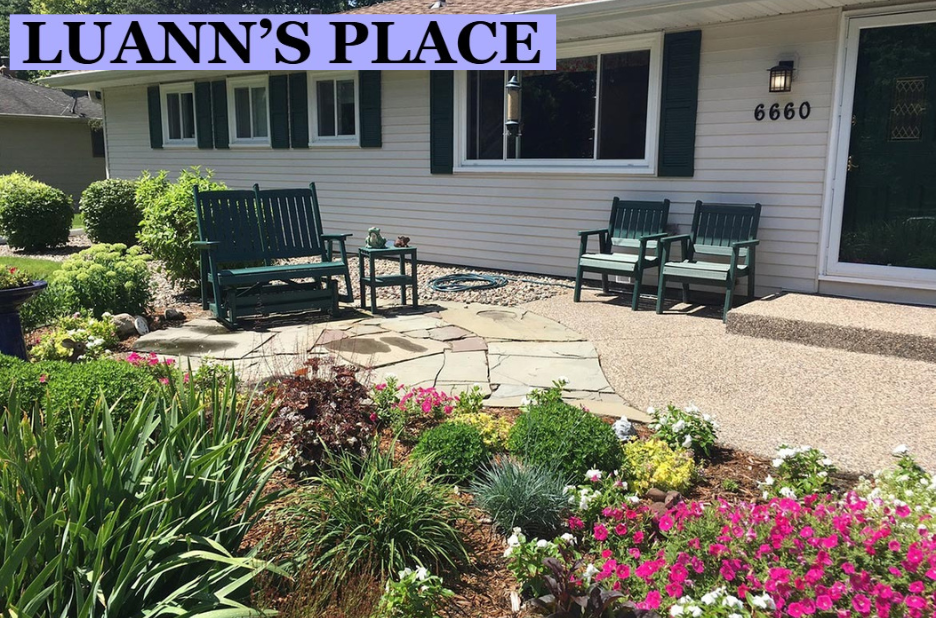
Choosing a care setting involves balancing personal preferences with practical needs, and it helps to visit multiple options to compare the atmosphere and approach. For families researching local options, take time to assess how staff interact with residents and how the environment supports safety, privacy, and meaningful activity. Visit Luannsplace for more practitioner-focused insights and practical comparisons of care services in the region.