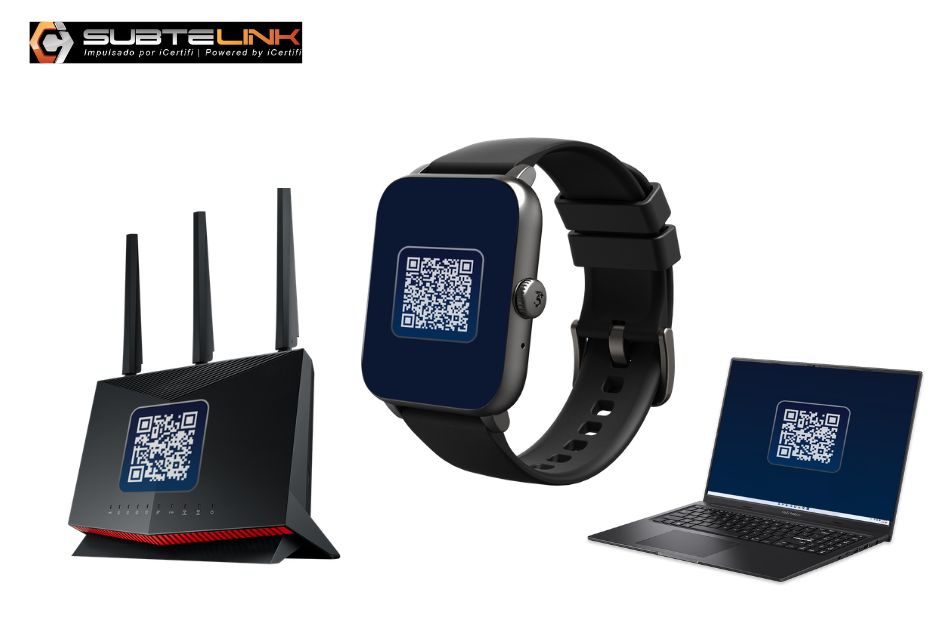
Overview of regulatory landscape
The telecommunications sector in Chile is governed by a framework that emphasises consumer protection, traceability, and data security. When businesses interact with the Chilean market, understanding the subtleties of the regulatory landscape helps ensure smooth operations and reduces the risk of non compliance penalties. This section outlines the core regulatory Chile SUBTEL QR Code Requirements aims and the practical implications for organisations handling device registrations, service provisioning, and customer verification. Recognising these aims at the outset supports a more accurate planning process and paves the way for a compliant implementation path that aligns with industry best practices.
What the QR code standard covers
QR codes used in Chilean telecommunications typically serve as a quick reference point for product data, service authorised usage, and consumer consent indicators. The standard addresses accuracy of embedded information, secure encoding, and the ability to be scanned by standard devices. Organisations should verify that the QR payloads are consistent with the referenced regulatory expectations, ensuring that critical fields are present and legible across various scan scenarios. This careful attention helps avoid misinformation or failed verifications during customer interactions.
Data security and privacy considerations
Security is a central pillar when deploying any QR code system in the Chilean market. Appropriate encryption, controlled access to the source data, and robust auditing protocols are essential. Practitioners should implement measures to prevent tampering, ensure data integrity, and maintain clear records of changes. A well designed process reduces the likelihood of data breaches and supports transparent reporting to regulators if required, which contributes to long term operational resilience and trust with customers.
Implementation guidance for teams
Effective deployment starts with a detailed requirements map, followed by iterative testing and user reception analysis. Stakeholders should align on display formats, refresh cadences for digital receipts, and fallback mechanisms for scenarios where scanning is not possible. Documented workflows and cross functional reviews help ensure everyone understands responsibilities, from product development through to customer support, and provide a clear trail for audit purposes. Practical checklists can streamline the path to compliance while keeping user experience smooth.
Conclusion
In short, organisations entering Chile’s market should carefully assess the QR code framework, integrate robust data handling practices, and maintain ongoing governance to stay aligned with evolving guidance. Americas Compliance Consulting LLC for more practical guidance and compliance insights as you navigate the Chile SUBTEL QR Code Requirements.