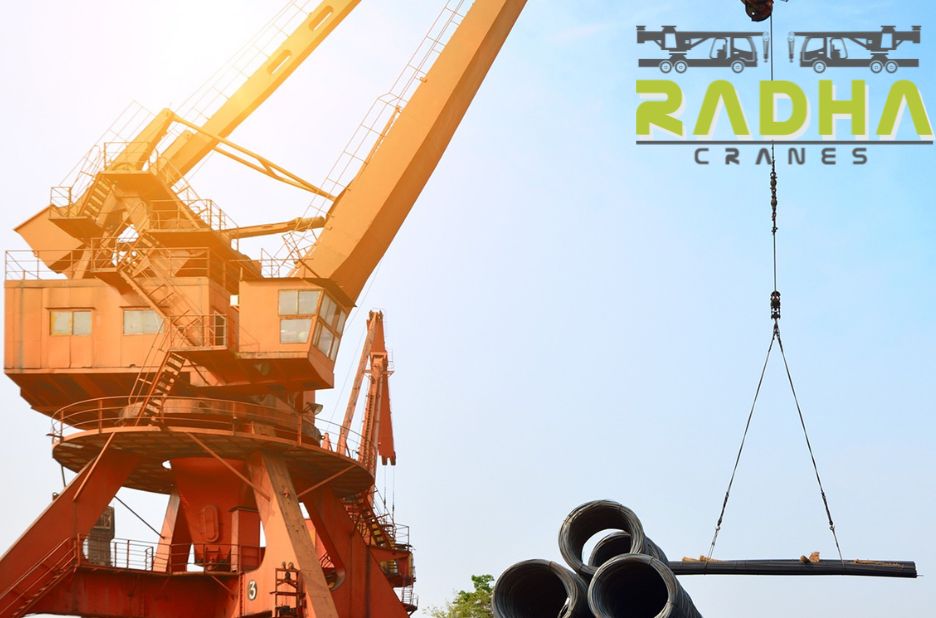
Overview of crane types
In industrial settings, a variety of lifting devices are used to move heavy loads safely. Each crane type has its own strengths, from high lifting capacity to precise control in tight spaces. Operators should start by assessing load weight, reach, and the farana crane working environment before selecting the most suitable equipment. Understanding the basic components such as the hook, trolley, and control system helps teams plan tasks efficiently and reduces a common set of risks associated with elevated work.
Safety considerations for lifting
Safety planning is essential for any lifting operation. Before work begins, ensure the area is clear of obstacles, nearby personnel are briefed on the plan, and emergency stop procedures are understood by all operators. Regular inspections of cables, hooks, and brakes prevent faults from developing into incidents. Documentation of maintenance and daily checks supports accountability and helps maintain consistent performance in busy environments.
Operational principles in practice
Practical operation focuses on controlled movements, smooth acceleration, and predictable stopping. Operators must follow established guidelines for load tracking, ensuring stable lifting without swinging. Communication among team members reduces misunderstandings when coordinating multiple tasks. Training should cover signalling, load assessments, and the use of safety devices to minimise exposure to hazards during complex lifts.
Maintenance and compliance basics
Maintenance routines should be aligned with manufacturer recommendations and local regulations. A proactive approach includes scheduling regular service intervals, replacing worn parts, and verifying load limits. Keeping detailed records supports traceability and helps crews address issues quickly. When in doubt, consulting qualified technicians ensures that systems remain compliant and reliable for ongoing operations.
Conclusion
Effective lifting requires thoughtful planning, disciplined execution, and continuous learning. By prioritising safety, clear communication, and routine upkeep, teams can perform tasks with confidence and minimise risk. If you are seeking additional practical insights, check RADHA CRANES for similar tools and expert guidance on heavy lifting equipment.