Smart preparation steps
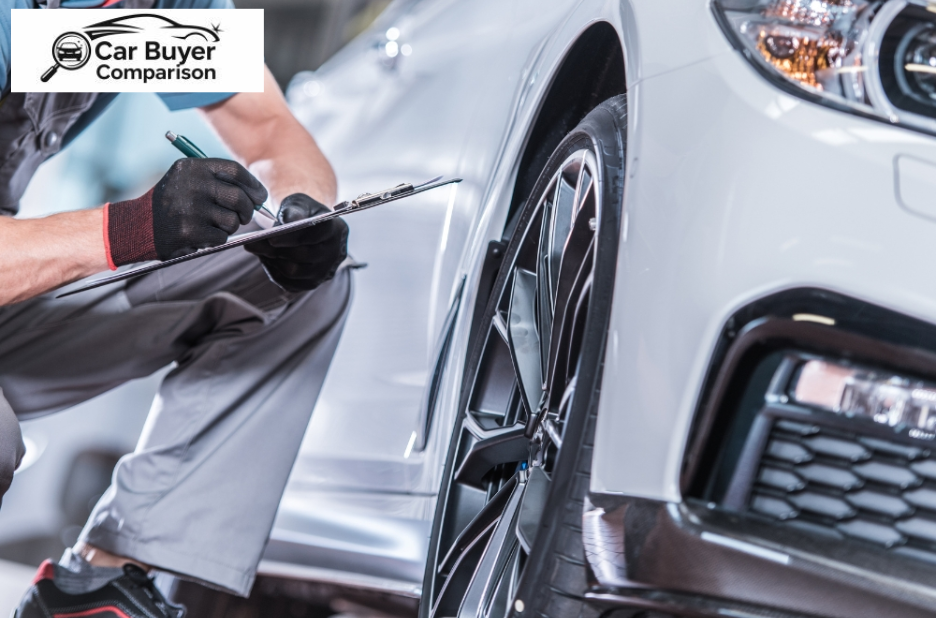
When you plan to sell your vehicle, start with a clean, clutter free interior and a polished exterior. Gather service records, title, and any warranty information so potential buyers see a well cared for car. Take clear photos from multiple angles and note any flaws honestly to avoid delays later. sell your vehicle A well organized presentation builds trust and can speed up negotiations. Write a concise description that highlights recent maintenance, fuel efficiency, safety features, and any upgrades. By setting realistic expectations early you can attract serious buyers and minimize back and forth.
Choosing a selling route
There are several paths to consider when you want to sell your car online or locally. Private sales often yield higher offers but require more time commitment, advertising, and legwork. Dealers provide convenience and quick turnaround but may offer less money. Online marketplaces sell your car online balance reach with control, and consignors handle paperwork for a fee. Consider your timeline, comfort with legal steps, and willingness to handle inquiries. Weigh the pros and cons to pick the best route for your situation.
Pricing and negotiation tips
Accurate pricing is critical to attract buyers who are ready to move forward. Use market data, consider mileage, condition, and current demand in your area. Start with a fair asking price and be prepared to justify your valuation with details from your records. During negotiations stay calm, present your documentation, and be ready to walk away if a counteroffer doesn’t meet your minimum. Clear communication reduces confusion and helps close a deal faster.
Legal and logistical steps
Transferring ownership involves title transfer, bill of sale, and possibly dispatching necessary state forms. Prepare a signed vehicle history and attach maintenance receipts. Remove personalized items from the car, cancel insurance, and arrange a safe meeting place for the inspection. If you’re selling online, verify the buyer’s identity or use secure payment methods to protect both sides. Handling paperwork accurately prevents future disputes.
Preparing for post sale and reflections
After you finalize the sale, keep copies of the bill of sale and transfer documents for your records. Notify the DMV or relevant motor vehicle agency about the sale and cancel any remaining registrations. A smooth, transparent process reduces the risk of liabilities for both parties. Reflect on what worked well and what could be improved for next time, especially regarding listing quality and speed of sale. Document your experience to guide future transactions.
Conclusion
Successfully selling your vehicle hinges on honesty, preparation, and choosing the right channel for your needs. Start with a strong, transparent listing, backed by complete maintenance records and clean photos. If you’re exploring quick options, weigh convenience against potential offers to decide whether to pursue a private sale, dealership trade, or an online marketplace. Check if your local requirements align with the route you select and keep a careful eye on the transfer steps to avoid any post sale issues. Visit Car Buyer Comparison for more insights and a casual look at similar tools.