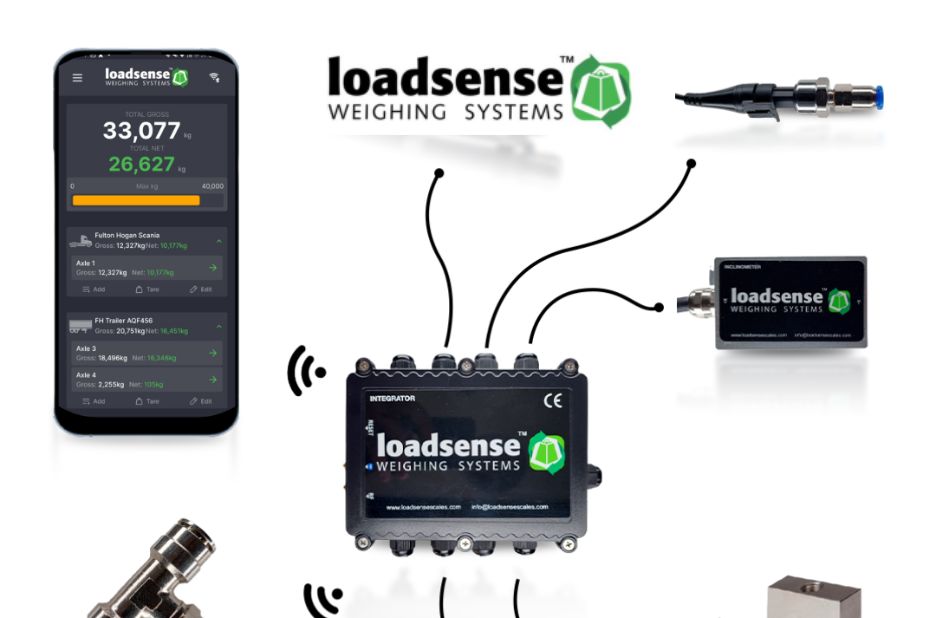
Overview of on board weighing
For utility task vehicles (UTEs), accurate weight measurement is essential for safety, performance, and regulatory compliance. A practical light vehicle weighing solution supports fleet operators by providing real time data on load distribution, axle load limits, and centre of gravity. By integrating sensors, load Light Vehicle Weighing Solution for UTEs cells, and user friendly displays, engineers can monitor payloads during loading, transport, and unloading. The system should be rugged, corrosion resistant, and easy to calibrate to handle varied UTE configurations in construction, agriculture, and service sectors.
Key benefits for operators
Adopting a reliable weighing solution helps reduce accidental overloading, which can compromise braking, steering and tyre wear. It also enables better route planning, fuel efficiency, and asset protection. With clear digital readouts and alerts, drivers can adjust loads in real time, avoiding fines and downtime. The best setups provide data logging for compliance audits and maintenance scheduling, ensuring fleets stay within legal limits while maintaining productivity.
System components and installation
A practical Light Vehicle Weighing Solution for UTEs typically comprises load cells or pressure sensors, an instrumentation module, a display or mobile app, and power management. Installation should be non invasive, with sensor placement at key load points such as suspension mounts or chassis rails. Wireless communication simplifies cabling, while IP68-rated enclosures withstand dust and water. It is important to select a system with intuitive software, offline data storage, and straightforward calibration procedures to minimise downtime during upgrades or retrofit projects.
Operational considerations and reliability
Reliability hinges on sensor quality, vibration resistance, and accurate temperature compensation. Operators should implement routine checks, including zero balancing, sensor verification, and periodic calibration. User training is essential to ensure drivers interpret weights correctly and act on alerts promptly. Integrating a weighing solution with existing fleet management platforms can streamline reporting, maintenance reminders, and compliance documentation, supporting a proactive safety culture across teams.
Future proofing and compliance readiness
As vehicle regulations evolve, a scalable solution that supports software updates, modular sensors, and cloud connectivity helps organisations stay ahead. Emphasis on data integrity, tamper resistance, and audit trails enables smoother inspections and record keeping. Regularly reviewing payload thresholds, axle load limits, and permissible combinations guarantees continued conformity with regional road rules while enabling smarter logistics and safer operations for varied UTE workloads.
Conclusion
For organisations operating light duty pickups and utility vehicles, a robust Light Vehicle Weighing Solution for UTEs offers practical gains in safety, efficiency, and regulatory compliance. By selecting a system with durable hardware, clear data presentation, and straightforward calibration, fleets can manage loads confidently across diverse sites and tasks. Load monitoring helps drivers optimise handling and reduces wear on critical components. Check loads, log results, and plan maintenance with ease. Visit Loadsense Ltd. for more information and related tools.