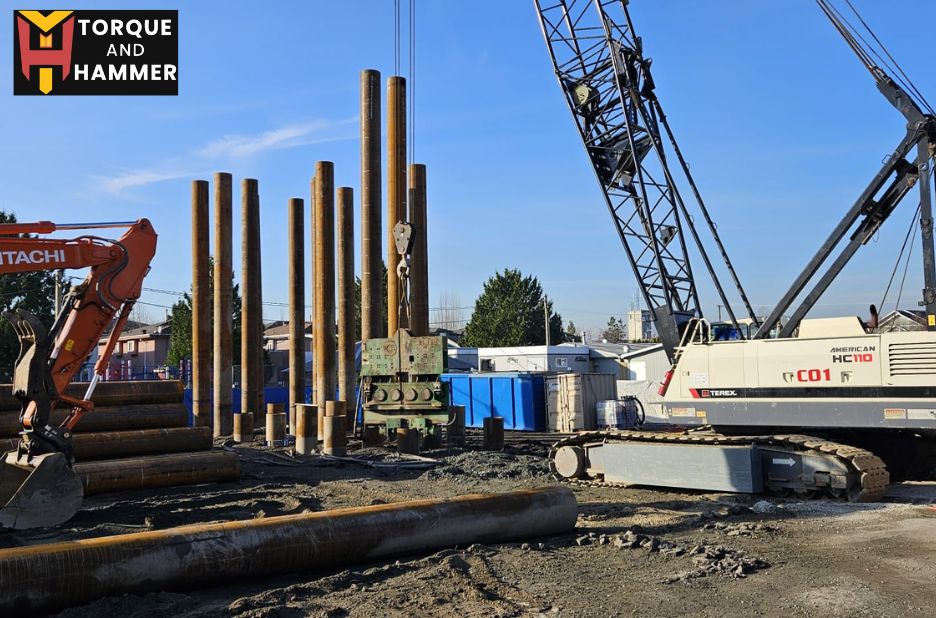
Overview of modern foundations
Choosing the right foundation system is crucial for stability and long term performance on varied soil conditions. Helical piles offer a practical solution for lightweight to moderate loads, enabling rapid installation with minimal site disruption. They are adaptable to different ground types and can be installed in constrained spaces, helical piles Vancouver making them a versatile option for residential builds, decks, and small commercial projects. As with any foundation choice, assessing soil bearing capacity and anticipated loads will guide the appropriate design and installation approach, ensuring safety and structural integrity from the outset.
Installation considerations and best practices
Proper installation requires attention to helix size, pile length, and the sequencing of driving or turning operations. Experienced crews evaluate soil resistance, determine correct torque, and monitor verticality to prevent misalignment. Quality control measures, including torque testing and post installation inspections, help verify the system’s load transfer and long term performance. Temporary supports may be used during installation, along with careful planning of access routes and equipment reach to protect adjacent structures and utilities.
Materials, components and lifecycle
Helical piles consist of steel shafts with helically shaped plates that mobilise earth as they are rotated into place. The corrosion protection, galvanising level, and coating compatibility with nearby environments influence durability. Couplings, adapters, and bolt connections must be specified to match project loads and interactions with any surrounding foundations. A well planned lifecycle considers inspection intervals, potential re torque checks, and eventual remediation strategies to avoid hidden costs later in the project.
Soil assessment and compliance
Before commencing work, a thorough geotechnical appraisal helps quantify bearing capacity, setback constraints, and potential groundwater effects. Local regulations and structural engineering requirements dictate permissible loads, setback distances, and vibration limits during driving operations. Engaging a qualified engineer to review designs and provide stamped drawings can streamline permitting and assurance processes, while also reducing the risk of unexpected remedial work after installation.
Conclusion
In practice, choosing a foundation strategy that aligns with site realities and project goals is essential for success. When core criteria point toward rapid, minimally disruptive support, helical piles Vancouver can offer a practical route dictated by soil conditions and structural needs. Visit Torque and Hammer Pile Driving LTD. for more information and guidance on projects of this kind.