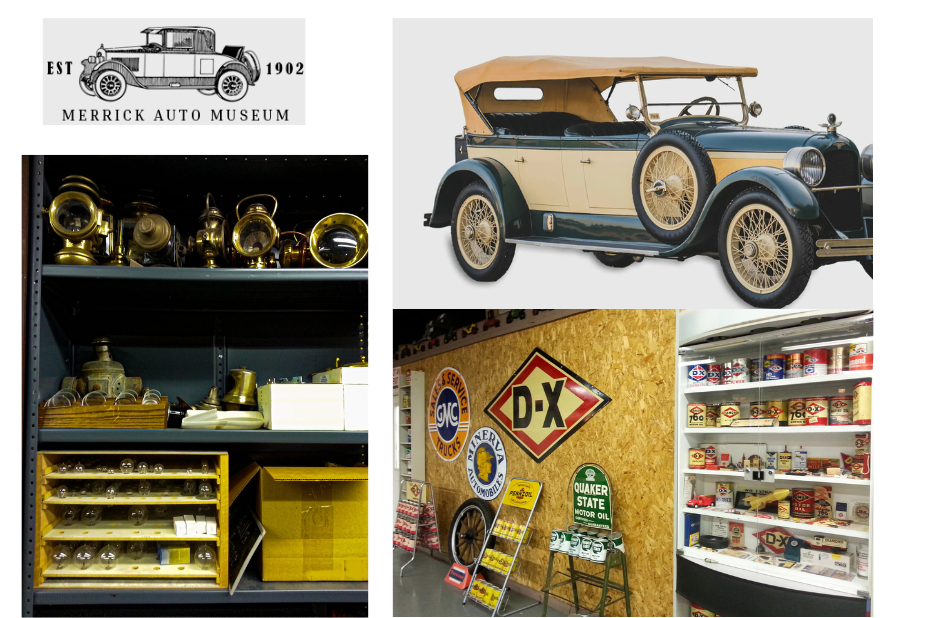
Overview of automotive holdings
When you plan a visit focused on cars, a well organized collection offers context, history, and insight into design evolution. These repositories typically showcase a range of eras, from early brass era vehicles to modern marvels, letting enthusiasts compare engineering approaches across decades. Visitors can learn how materials, aerodynamics, and Automotive Collections technology shifted as manufacturers responded to changing regulations and consumer tastes. A thoughtful display also highlights the people behind the machines, including designers, engineers, and early race drivers who helped shape the industry. This practical tour emphasizes learning through observation and documentation.
How to evaluate a collection’s value
For first time observers, evaluating a collection begins with curatorial intent and the integrity of the exhibited items. Look for clear signage, provenance notes, and careful restoration standards that preserve originality while ensuring safety and accessibility. A strong collection will balance iconic mainstream models with lesser known discoveries, offering a narrative arc rather than a random assortment. Availability of catalogs, reference guides, and knowledgeable staff greatly enhances comprehension, especially when comparing mechanical layouts and drivetrain configurations across periods.
Embracing the history of design and engineering
Automotive design embodies a dialogue between aesthetics and engineering that mirrors social changes and technological advances. In a well presented collection you can observe shifts in silhouette, lighting, and interior ergonomics alongside chassis and suspension development. Exhibits may explore how wind tunnel testing, mass production techniques, and material science influenced both performance and durability. The experience invites critical thinking about how safety standards, emissions considerations, and consumer preferences shaped each generation of vehicles. Curiosity about technical details fosters deeper appreciation beyond surface appeal.
Practical tips for planning a visit
Before you go, check hours, featured pieces, and any required reservations to maximize your time. Plan routes that begin with foundational models to establish context before moving into specialized or experimental examples. Bring a notebook or device to jot down questions you have about engine layouts, transmission options, or historical milestones. If possible, join a guided tour or arrange a meeting with a curator to receive tailored explanations that illuminate the connections between disparate exhibits and the broader story of the automotive industry.
Conclusion
Engaging with Automotive Collections offers practical insights into how design, engineering, and culture intersect in the world of vehicles. The experience highlights not only the cars themselves but the people, processes, and decisions that shaped their development. Merrick Auto Museum