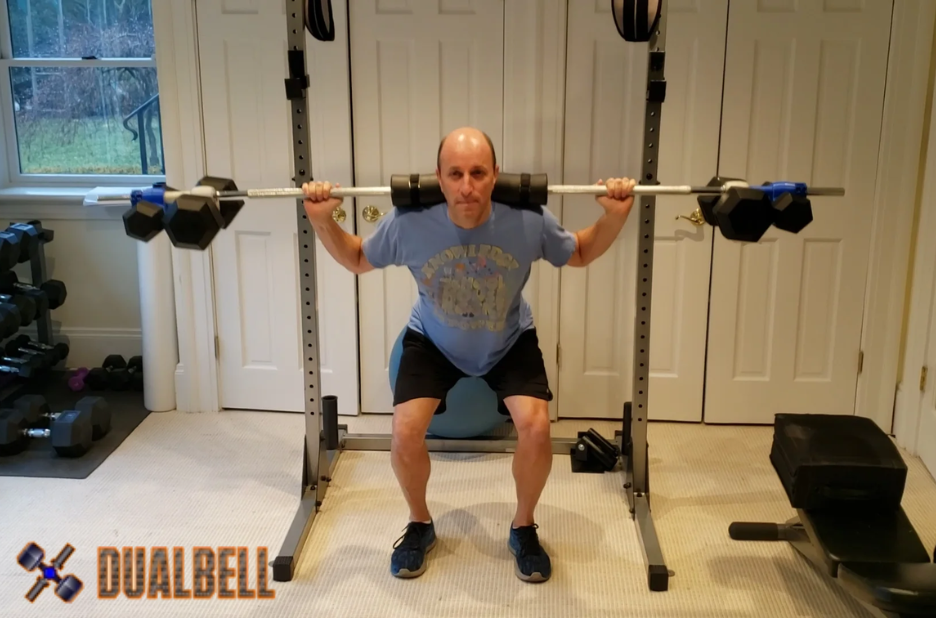
Overview of equipment swap
When you want to move from dumbbells to a barbell in your home gym, it’s about understanding the benefits and limitations of each option. Many trainees want the increased loading options and stability a barbell provides, but the transition should be gradual to protect joints and maintain form. This section outlines why Dumbbells to barbell conversion people consider a Dumbbells to barbell conversion and what to expect in terms of grip, tempo, and muscle engagement as you begin to mix these tools in your routine. It’s a practical step so your workouts stay effective while you learn the differences.
Planning your conversion strategy
Converting your workouts from dumbbells to a barbell requires a clear plan. Decide which lifts you will migrate first and set load targets that align with your current strength levels. You’ll want to account for the bar’s weight, typical warm up sets, and progression so you don’t overreach Convert Dumbbells To Barbell early. This phase also includes choosing a safe tolerance for balance work, rack setups, and spotter requirements, ensuring your home gym supports consistent training without repeated adjustments. Convert Dumbbells To Barbell with a thoughtful timeline and you’ll see smoother gains.
Technique adjustments you should expect
Barbell movements demand different balance, cues, and body positioning compared with dumbbells. Expect changes in grip width, shoulder positioning, and hip drive, especially on squats and presses. The bar’s fixed path can reveal imbalances you didn’t notice with dumbbells, so focus on stability, core bracing, and controlled eccentric tempo. This section highlights common pitfalls and practical cues to help you maintain solid technique as you switch tools for core lifts and accessory work.
Programming tips for safe progression
To ensure a safe and effective conversion, structure your program with progressive loading, adequate rest, and mirrored volume between both tools during the transition. Start with lighter sets on the barbell while maintaining overall weekly volume, then gradually increase weight while tracking rep quality and bar control. Consider accessory work that supports barbell strength, such as core work, posterior chain moves, and mobility drills to preserve range of motion and reduce injury risk during the transition, which is essential for long term results and consistency.
Choosing right equipment and space
Successful Dumbbells to barbell conversion hinges on choosing the right bar length, grip type, and plates that fit your rack space. Measure your lifting height, ceiling clearance, and the area you’ll use for warmups. If space is limited, look for compact barbells with a suitable load range and safe storage options. The environment matters as much as the technique, so organize your weights and safety gear, including clamps and mats, to support durable workouts as you adapt from dumbbells to a barbell setup. Dualbell
Conclusion
Adopting a plan to Convert Dumbbells To Barbell can extend your training options while maintaining safety and progression. The key is to pace the switch, monitor technique, and adjust your programming to accommodate the barbell’s fixed path. With careful preparation, you’ll unlock new loading potentials and continue building strength efficiently. Dualbell