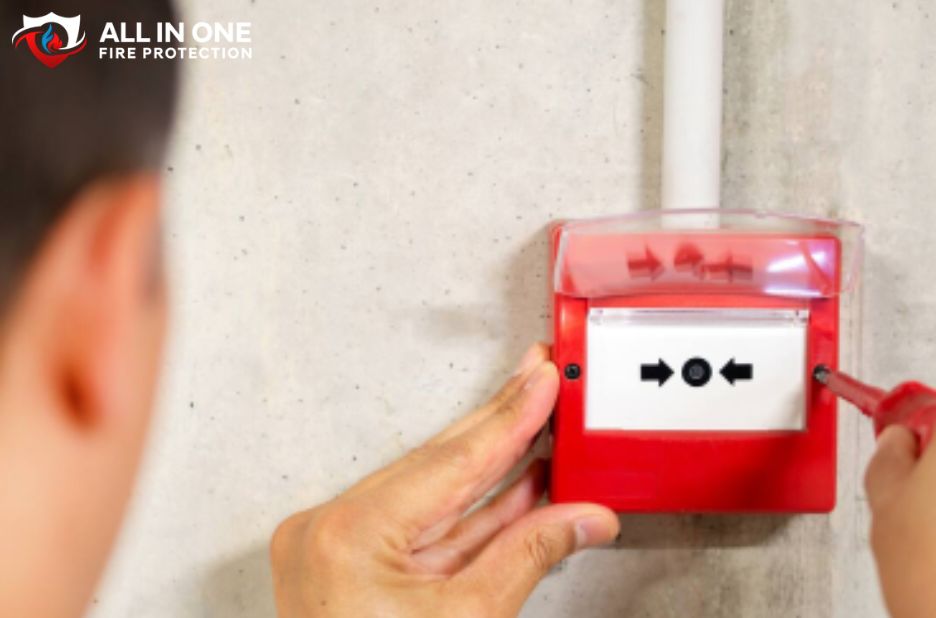
What to expect from a professional install
Commercial kitchen hood installation NJ demands meticulous planning and compliance with local codes. A seasoned installer will assess your kitchen’s layout, ducting routes, clearance, and ventilation needs. They will also verify fan performance, make sure fire suppression lines are integrated correctly, and coordinate with inspectors to secure the commercial kitchen hood installation NJ necessary permits. The process begins with an on site evaluation, followed by precise measurements and a detailed installation plan. By prioritizing safety and efficiency, you minimize downtime and protect staff from heat, smoke, and contaminants in busy food service environments.
Choosing the right equipment for your space
The right hood system depends on cooking styles, volume, and space constraints. For example, high heat commercial kitchens may require ducted hoods with powerful exhaust fans and cleanable filtration. In smaller operations, combination hoods with efficient capture can improve Ansul Systems NJ air quality without overwhelming the layout. An experienced provider will help you select a system that balances cost, performance, and ease of maintenance while ensuring compliance with local regulations and fire safety standards.
Maintenance and ongoing safety considerations
After installation, routine maintenance is essential to sustain performance and safety. Regular inspections of ductwork, fans, and filters prevent grease buildup and reduce fire risk. Scheduling preventive maintenance and annual testing of fire suppression systems ensures readiness in an emergency. A reliable contractor will offer service plans that align with your operation’s hours and budget, minimizing disruption to service and extending the lifespan of your equipment.
Compliance and documentation for NJ facilities
Facilities in New Jersey must adhere to state codes and local amendments when installing or updating hoods and suppression systems. A knowledgeable installer will prepare the necessary documentation, including permits, code references, and inspection reports, for each stage of the project. Keeping thorough records not only satisfies authorities but also aids in ongoing maintenance planning and future upgrades, supporting a compliant and safe kitchen environment.
Conclusion
Partnering with a qualified team for commercial kitchen hood installation NJ ensures your kitchen operates safely and efficiently while meeting all regulatory requirements. The right project plan reduces downtime, improves air quality, and supports consistent food quality throughout peak periods. All in One Fire Protection