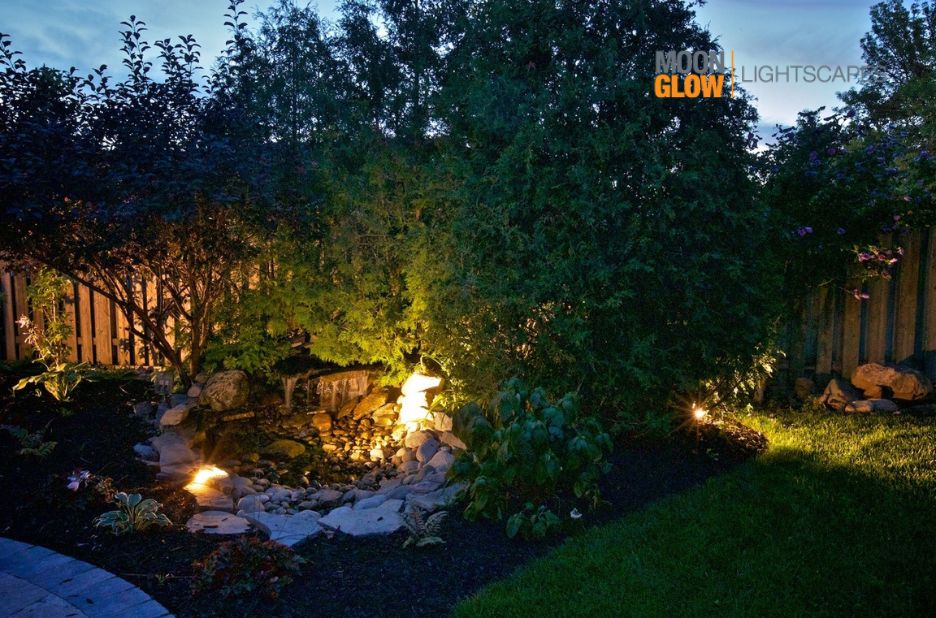
Overview of outdoor illumination
Creating a functional and inviting outdoor space requires thoughtful planning of lighting that covers paths, seating areas, and focal points. A practical approach starts with assessing the layout of your backyard, noting where natural shade, late sun, and access points are located. Layered lighting, combining ambient, task, and backyard lighting accent illumination, can transform evenings while improving safety. Consider energy efficiency and ease of maintenance as you select fixtures, bulbs, and controls. The goal is to extend usability after dark without overpowering the natural surroundings or creating glare for neighbours.
Choosing fixtures for safe paths and steps
Path lighting is essential for navigating a yard after sunset. Low-level, evenly spaced bollard lights or stake lights provide guidance without drawing excessive attention. In stair areas, ensure lighting is bright enough to reveal each step, reducing trips and falls. For decks and patios, gazebo lighting recessed step lights or linear LED strips offer subtle guidance. An important tip is to mix warmer colour temperatures for living spaces with cooler tones for functional zones, helping to define different areas without switching themes entirely.
Creating mood with accent and string lighting
Accent lighting highlights architectural features, trees, and water features to create depth and drama. Uplighting against trunks and branches can reveal textures and silhouettes, while downlighting on a feature wall creates a gentle wash that feels intimate. String lighting strung above seating areas or pergolas adds a touch of whimsy and warmth, perfect for casual dinners or stargazing. When using string lights, opt for dimmable options and choose weatherproof strands that align with the overall design language of your space.
Budget friendly energy ideas for backyard lighting
Smart lighting systems and energy efficient LEDs offer substantial long-term savings. A daylight sensor or timer helps ensure lights only illuminate when needed, reducing waste and extending bulb life. If you want flexibility, select fixtures with adjustable brightness and zone control, so you can tailor the atmosphere for different events. When planning, tally the estimated wattage for each area and compare it against your energy budget to avoid surprises at the end of the month. Maintenance considerations, like cleaning lenses and replacing bulbs, keep performance steady year after year.
Specialised lighting for gazebo lighting and covered spaces
Gazebo lighting creates a defined, inviting focal point that anchors a seating arrangement or entertaining area. Soft, diffuse illumination works well around the perimeter of a gazebo, highlighting columns and architectural details without glare. If your gazebo has a roof overhang, consider discrete recessed lighting or hidden strip LEDs along the edges to wash the ceiling with a gentle glow. Weatherproof fixtures and remote controls can simplify operation, especially when you want to switch moods for gatherings or quiet evenings outdoors.
Conclusion
With thoughtful layering and careful fixture choice, you can achieve a balanced outdoor lighting plan that enhances usability and atmosphere without overwhelming the space. Keep the perennial goals in mind: safety, function, and ambience. Accommodation of a dedicated dining or lounging zone, complemented by subtle gazebo lighting, can anchor conversations and extend outdoor living into the evening hours. For guidance and inspiration, Moon Glow Lightscapes