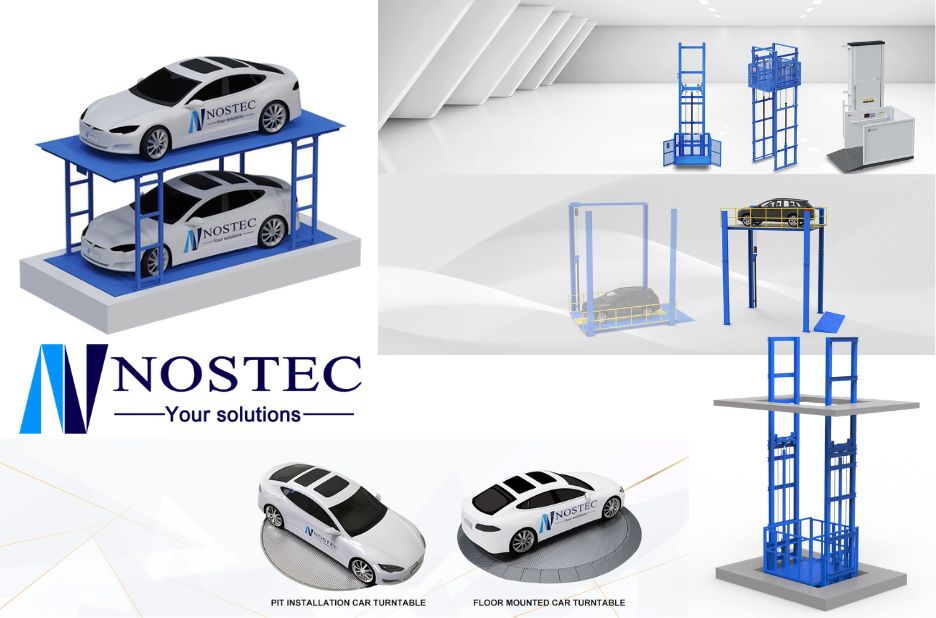
Overview of lift types
When choosing equipment for vehicle upkeep, understanding lift varieties helps you pick what fits your workspace. A common option is a compact, scissors mechanism that folds neatly when not in use. These lifts are praised for stability and simple operation, which reduces the risk of accidental movement scissors car lift during tyre changes or routine inspections. For small garages and workshops, the efficiency of a compact design translates to smoother workflows and less clutter on the shop floor, making it a practical investment for many enthusiasts and professionals alike.
Safety and operation fundamentals
Operating lifts with proper awareness of safety protocols is essential. Regular checks on hydraulic lines, locking mechanisms, and platform alignment prevent unexpected drops. Training staff to position the vehicle correctly and use the safety locks ensures consistent support while lifting heavy components. By prioritising safety, you protect both workers and vehicles, while maintaining a reliable system that requires minimal nuisance maintenance over time.
Choosing the right capacity
Capacity planning plays a critical role in performance and longevity. Lifts designed to support a broad range of vehicles may include adjustable platforms and rated load indicators. Selecting a model with a suitable capacity helps accommodate occasional upgrades in your fleet and reduces the need for multiple pieces of equipment. A well-matched lift contributes to safer, more efficient servicing, particularly where space is at a premium.
Practical placement and workflow
Think about how a scissors car lift fits into your daily workflow. Position it to align with your most commonly serviced bays, allowing quick access to wheels, suspension components, and undercarriage. The foldable design can save valuable floor space when the lift is not in use, leaving room for tools and mobile workstations. Thoughtful layout improves both turnaround times and your overall maintenance quality.
Maintenance and sustainability
Routine upkeep is key to extending the life of any lifting platform. Drain and replace hydraulic fluid as recommended by the manufacturer, inspect rollers and pins, and keep the touchdown surfaces clean. Regular lubrication and calibration checks help prevent jittery movement and ensure consistent height accuracy across service sessions. A well-maintained lift reduces downtime and sustains resale value for your shop or home garage.
Conclusion
For enthusiasts and professionals seeking dependable tools for vehicle service, a compact lifting solution offers practical advantages without demanding extensive space. When selecting a system, consider familiarising yourself with the user manual, ensuring compatibility with your typical service tasks and vehicle sizes. It is also worth noting the supplier landscape and after sales support to guarantee timely parts and service when needed. JINAN NOSTEC EQUIPMENT CO.,LTD