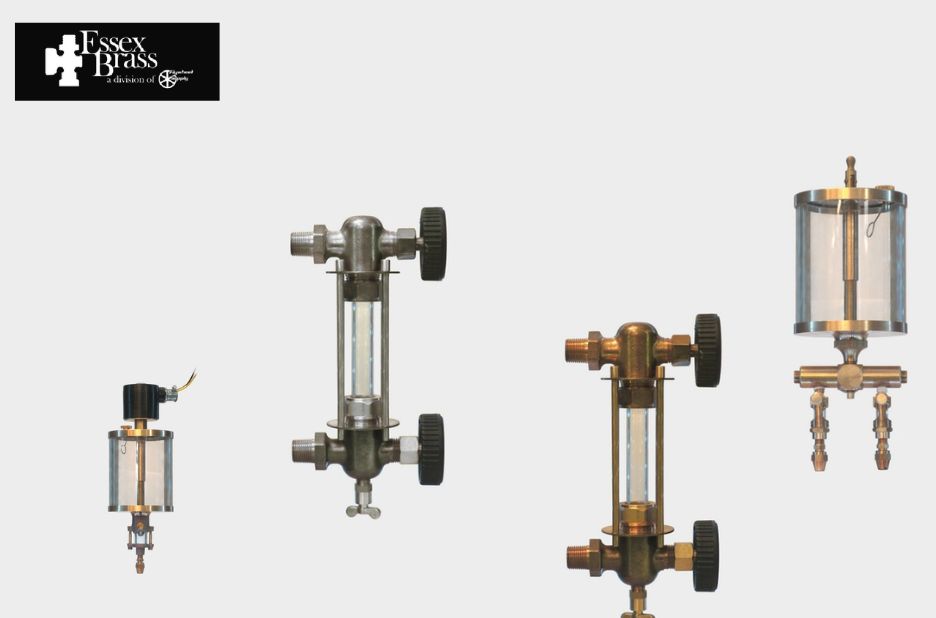
Introduction to glass oilers
For those maintaining vintage machinery or precision equipment, glass oilers offer a transparent window into lubrication. They combine clear reservoirs with simple fittings, enabling straightforward monitoring of oil levels and flow. The design often prioritises durability and compatibility with standard lab or workshop routines, making them a practical choice for hobbyists glass oilers and professionals alike. When selecting glass oilers, consider inlet size, outlet compatibility, and how easily the unit can be cleaned between uses. A well chosen oiling solution helps extend the life of moving parts and reduces the risk of contamination in delicate mechanisms.
Key features to look for
Durability is central, with glass components typically tempered or fused to resist minor impacts. Look for uniform threading and robust seals to prevent leaks. The ability to adapt to existing piping or fittings is also crucial, so check connectors and clamps for compatibility. gauge cock for sale Eye-catching clarity is a bonus, letting you verify oil viscosity and presence of any particulates at a glance. If you work in constrained spaces, compact dimensions and straightforward mounting can be decisive factors in workload efficiency.
Practical maintenance and safety
Regular inspection remains essential. Clean glass surfaces prevent the accumulation of dust and oil residues that can cloud visibility. Replace seals to maintain a tight, leak-free setup, and verify that clamps hold securely without over-tightening. When dealing with potentially hazardous lubricants, use appropriate PPE and ensure good ventilation. Documenting fuel or oil types helps prevent cross-contamination between equipment, and keeping spare seals and fittings on hand minimises downtime during servicing. A routine schedule keeps your system reliable and safe over time.
Where to find gauge components
Shop selections for gauge cock for sale often include variations compatible with glass oilers, along with compatible valves and adapters. It’s wise to compare materials, such as brass or stainless steel, which affect corrosion resistance and longevity. Look for clearly described specifications, including thread size, pressure ratings, and compatibility notes with common oils. Reading user reviews can reveal practical pros and cons that aren’t always apparent from product pages. If you’re stocking a workshop, a small assortment of gauge parts accelerates maintenance tasks and reduces downtime caused by misfit fittings.
Choosing the right supplier
When sourcing parts for glass oilers and related fittings, identify a supplier with a reputation for accuracy and prompt service. Reliability matters when you need precise components delivered quickly to keep projects on track. Consider the availability of technical support and clear return policies to safeguard investments. A supplier that understands workshop realities can offer practical recommendations for hoses, seals, and mounting options, helping you assemble a dependable system that stands up to daily use.
Conclusion
Careful selection and regular maintenance ensure glass oilers perform reliably, with clear visibility into the lubrication process. By prioritising compatibility, durability, and ease of cleaning, you create a setup that supports precise work and minimal downtime. Flywheel Supply