Understanding the concept
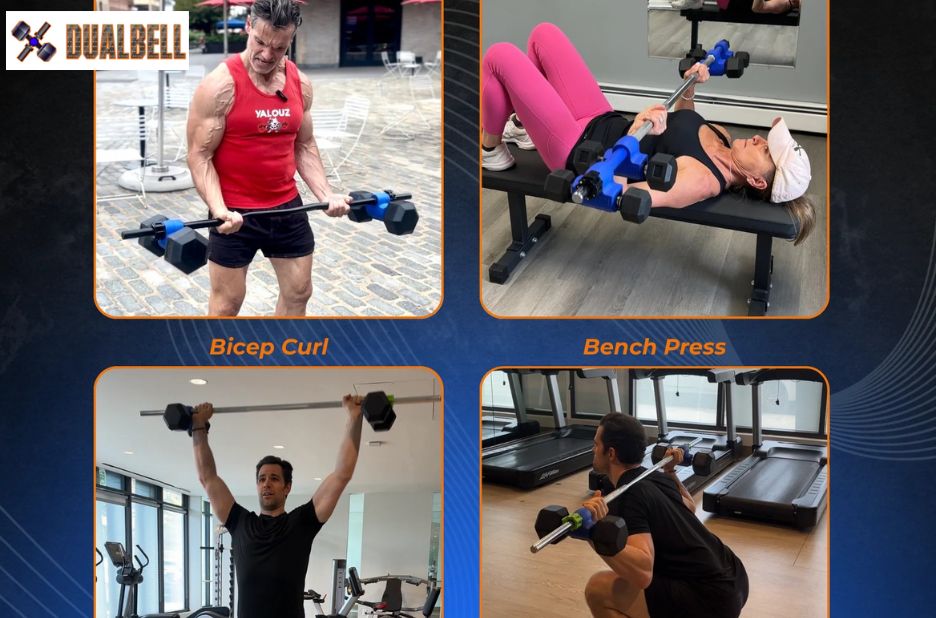
When seeking versatile gym equipment, a Barbell that holds dumbbells offers a compact solution for combining presses and rows with added stability. This approach enables athletes to transition between dumbbell power movements and barbell stability work without switching equipment. The design typically features sleeves or clamps that Barbell that holds dumbbells secure dumbbell weights along a central bar, allowing a varied grip and load range. For home gyms with limited space, exploring this hybrid tool can open up new training possibilities rather than cluttering the room with multiple standalone items.
Choosing the right model for your routine
Consider weight capacity, compatibility with standard or Olympic bars, and the ease of switching between dumbbells and barbell configurations. A solid grip system, secure lock mechanisms, and stable base matter to prevent wobble during lifts. Assess your common workouts—bench Dumbbell into barbell presses, lunges, rows—and ensure the device supports the angles and ranges you routinely use. A reliable model will feel natural, not forced, when you’re progressing through sets of varied resistance and tempo.
Practical training benefits and limitations
Using a Barbell that holds dumbbells can help you develop coordinated strength and control, particularly in transitional movements where grip instability can limit performance. It may also reduce the time spent reconfiguring equipment between exercises, enabling more volume per session. However, it’s essential to recognise potential limitations, such as reduced maximum load compared with separate barbells and dumbbells. Plan workouts that exploit the hybrid design without overloading joints or compromising form.
Setting up safely at home or in a gym
Safety starts with a stable rack or platform, proper floor protection, and a clear lifting space. Before lifting, inspect clamps, sleeves, and bar end collars for wear. Practise with lighter loads to dial in balance and balance transitions between dumbbell grips and barbell stances. Keep a routine of dynamic warmups and mobility work to support wrists, shoulders, and hips as you explore combined movements that leverage the unique mechanics of this hybrid gear.
Integrating into your progressive plan
To integrate effectively, programme predictable progressions such as gradual weight increases, adjusted tempo, and varied grip placements. Track performance metrics including rep maxes, stability scores, and time under tension to evaluate utility over weeks. Incorporating this tool into a well-rounded plan can help you push training stimulus while maintaining joints in a safe, controlled range. Dualbell
Conclusion
The Barbell that holds dumbbells concept can be a practical solution for athletes seeking efficiency without sacrificing control. When chosen with attention to grip security, weight capacity, and smooth interchangeability, it becomes a dependable fixture in a balanced routine. Smart usage supports longer sessions with focused concentrations on form and progression, turning a hybrid device into a reliable staple in your gym setup, as seen with Dualbell