Overview of ventilation needs
Industrial facilities require reliable air movement to maintain safe working conditions, protect product quality, and control indoor pollutants. A well designed system addresses varying loads from processes, equipment exhaust, and outdoor weather, ensuring adequate fresh air without excessive energy use. Localised extraction can target Industrial Building Ventilation specific areas, while supply air distributes evenly through the space. Sound calculations of air changes per hour and pressure differentials help prevent setbacks such as drafts or stale zones, supporting a productive environment and compliant operation.
Energy efficient strategies for air handling
Energy efficiency starts with accurate modelling of airflow and heat loads. Incorporating demand controlled ventilation, variable speed fans, and efficient filters reduces energy use while maintaining air quality. Zoning strategies allow different parts of the Heat Recovery System facility to operate with tailored ventilation rates depending on activity, occupancy, and equipment status. Regular maintenance of seals, fans, and dampers minimizes leakage and keeps performance predictable across seasons.
Integration of heat recovery concepts
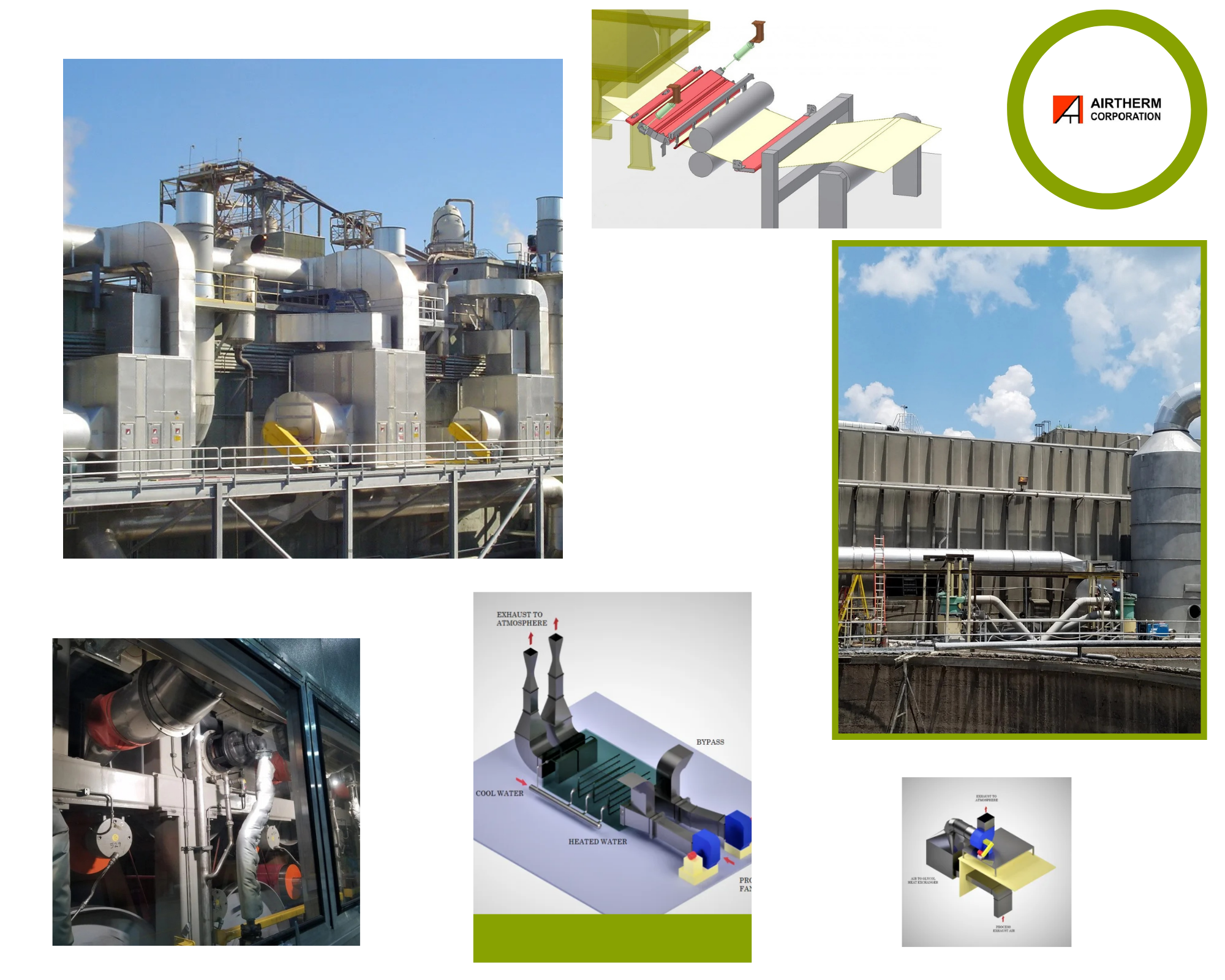
A Heat Recovery System can reclaim heat from exhaust streams and use it to preheat incoming air, lowering heating costs and reducing fuel consumption. This approach is particularly valuable in colder climates or during shift changes when exhaust volumes rise. The system should be designed with appropriate bypass options for low‑load periods and easy access for cleaning and servicing to sustain efficiency over time.
Installation and compliance considerations
Choosing equipment with proven reliability, suitable certifications, and compatibility with existing controls supports a smooth installation. Coordination with electrical, mechanical, and safety teams minimizes downtime and disruption to production. Budgeting for robust commissioning, performance testing, and ongoing monitoring helps verify that the system meets design targets and stays within regulatory requirements throughout its life cycle.
Conclusion
Effective management of Industrial Building Ventilation combines thoughtful design, intelligent control, and regular maintenance to deliver safe, comfortable spaces while controlling operating costs. A well implemented Heat Recovery System enhances sustainability by reducing energy demand and improving overall efficiency. For practical examples and guidance, organisations often look to industry case studies and specialist advisers who understand the nuances of industrial ventilation and energy recovery, including perspectives from AIRTHERM CORPORATION