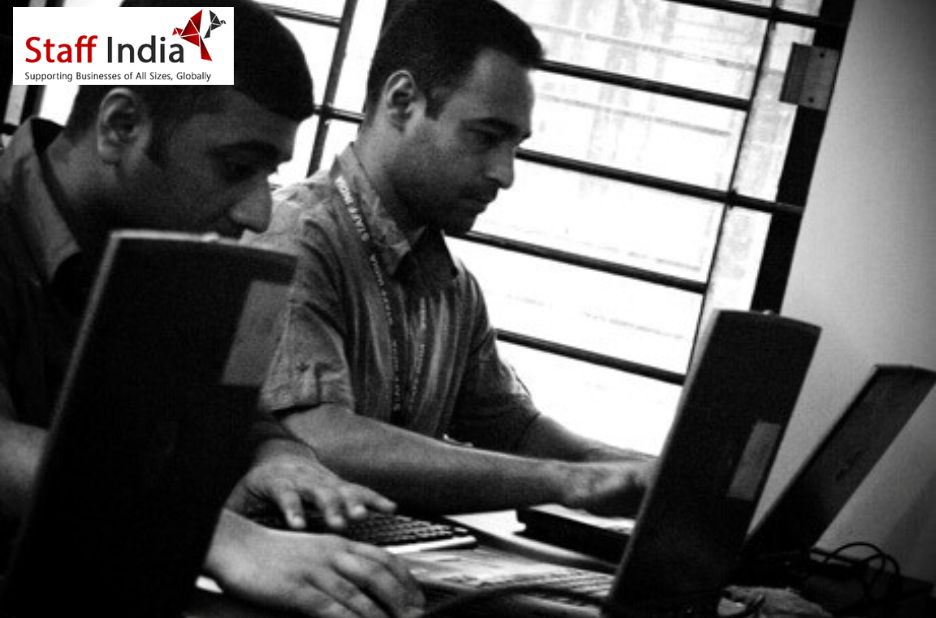
Understanding the outsourcing shift
In today’s fast paced tech landscape, many organizations seek reliable options to manage IT needs without shouldering full time internal costs. Outsourcing IT tasks allows teams to access specialized skills, modern tools, and scalable support while maintaining control over core business priorities. By delegating routine maintenance, it support outsourcing security monitoring, and help desk operations, leadership can focus on strategic initiatives such as digital transformation and customer experience improvements. This approach is especially valuable for firms navigating rapid growth, regulatory changes, or limited in house technical depth.
Choosing the right it outsourcing company
Selecting an it outsourcing company involves evaluating several factors beyond price. Look for partners with clear service level agreements, transparent reporting, and proven experience in your industry. Consider their approach to governance, security protocols, and data privacy, as well as it outsourcing company their responsiveness during critical incidents. A strong provider demonstrates ongoing partnerships, not just project based support. Assess their ability to scale resources, manage multi cloud environments, and integrate with existing systems to minimize disruption.
Key services and delivery models
Most providers offer a range of services such as 24/7 monitoring, incident management, software updates, and proactive optimization. Delivery models may include managed services, staff augmentation, or hybrid structures that blend in house teams with external specialists. The most successful arrangements define clear ownership boundaries, collaboration rituals, and regular business reviews. This clarity helps prevent scope creep and ensures measurable outcomes aligned with business goals.
Risk management and security considerations
Security is a central consideration when outsourcing IT functions. Reputable partners implement rigorous access controls, encryption, and continuous threat monitoring to protect sensitive data. They should also conduct regular vulnerability assessments and maintain disaster recovery plans. Clients benefit from transparent incident reporting and an emphasis on compliance with relevant regulations. A well structured contract outlines roles, responsibilities, and escalation paths to reduce risk and preserve continuity of operations.
Operational readiness for transition
Transitioning to an external team requires careful planning and stakeholder alignment. Start with a detailed discovery phase to map current infrastructure, dependencies, and performance metrics. Define milestones, knowledge transfer activities, and a realistic ramp up timeline. A phased on boarding approach minimizes disruption, while early wins build trust. Maintain open communication channels, document decision making, and establish a joint governance framework to guide the relationship over time.
Conclusion
Outsourcing IT functions can unlock efficiency, access to specialized skills, and resilient support for evolving business needs. When choosing an it outsourcing company, focus on alignment of metrics, security posture, and cultural fit to ensure a productive collaboration. For many firms, the right partner also brings strategic value by accelerating digital initiatives and reducing total cost of ownership. Staff India