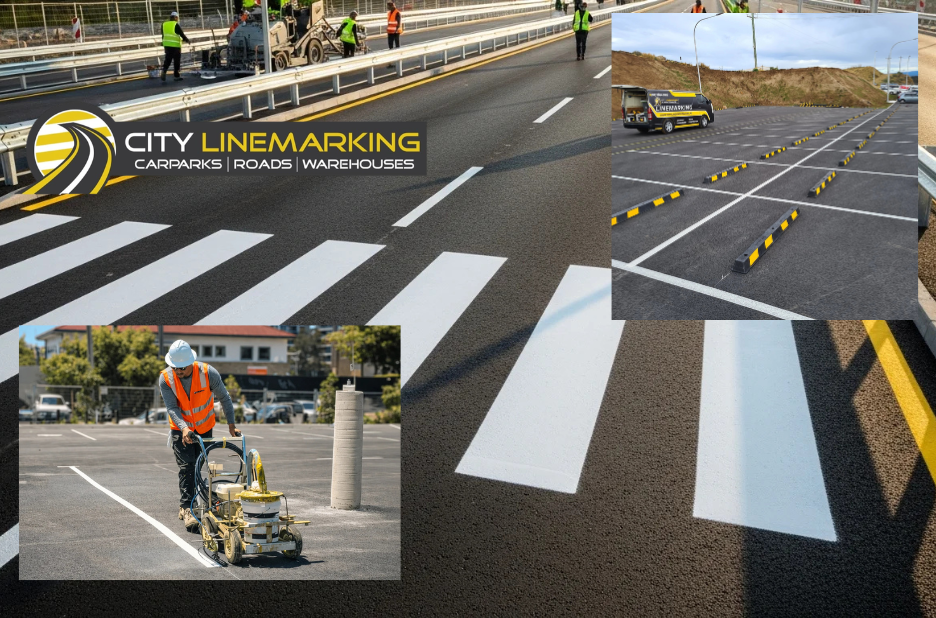
Choosing a trusted partner
For facility managers and contractors, selecting the right service provider can shape project outcomes from safety compliance to downtime costs. The most effective teams bring a blend of industry experience, certified crews, and robust project planning. They assess site constraints, traffic patterns, and material options before proposing a Line Marking Companies practical solution. When evaluating Line Marking Companies, look for transparent pricing, clear timelines, and references from similar projects. A competent team also prioritizes safety training, insurance coverage, and a documented quality assurance process to minimize rework and ensure consistent results.
Capabilities across applications
Line Marking work spans warehouses, parking facilities, industrial yards, and public spaces. A qualified company should offer line marking for floor, pavement, and curb areas, with attention to durability, slip resistance, and compatibility with heavy equipment. Ask about line widths, retroreflectivity, and Line Marking surface preparation methods. Experienced teams tailor solutions to traffic flow and zoning needs, ensuring markings remain legible under harsh weather or heavy use without frequent repainting. The right partner balances performance with long term maintenance planning.
Materials and methods that last
Durable line marking depends on selecting the proper paints, epoxy coatings, or thermoplastic materials based on surface type and environmental exposure. Reputable crews provide guidance on curing times, UV resistance, and traffic ratings. They typically perform surface cleaning, etching, and priming, followed by precise application using calibrated equipment. Understanding the material’s lifecycle helps clients budget for coatings, replacement schedules, and contingency options during extreme conditions. A thoughtful approach reduces total cost of ownership while preserving visibility.
Project management and safety discipline
Managing line marking projects requires meticulous planning, especially in active facilities. Effective teams schedule work during low-traffic windows, implement traffic management plans, and coordinate with stakeholders to minimize disruptions. They maintain clear documentation, track milestones, and conduct post-application inspections to verify alignment, visibility, and edge integrity. Safety remains a cornerstone, with trained crews following established protocols for PPE, equipment operation, and hazard communication to protect workers and the surrounding environment.
Choosing the right provider for Line Marking
Beyond price, the best selection factors include demonstrated reliability, scalable capabilities, and a proven track record of completing projects on time. Request portfolio examples and client references that reflect similar scale and constraints. In conversations, confirm material options, warranty terms, and response times for service needs. A strong partner will offer proactive maintenance guidance and potential enhancements as standards evolve. Ultimately, the decision should hinge on how well the team translates safety, efficiency, and brand consistency into tangible on-site results, including long lasting visibility.
Conclusion
Choosing a qualified provider for Line Marking ensures safer, more efficient spaces with durable results that stand up to daily use and weather. By examining capabilities, materials, project management, and support services, you can align a contractor’s strengths with your facility needs and budget. Prioritize clear communication, verified experience, and a realistic plan that accounts for maintenance over time. The right Line Marking partner becomes a long term ally in safety and operational efficiency.