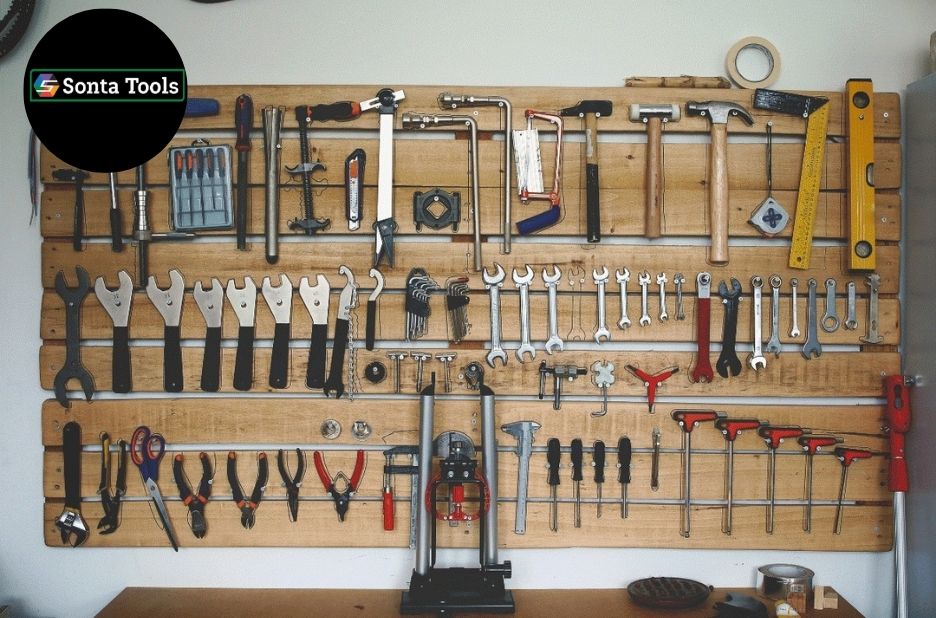
Choosing robust industrial tools
When planning a maintenance schedule or a major upgrade, selecting reliable industrial tools is essential. Quality tools reduce downtime, improve accuracy, and extend the life of machinery. Start by evaluating material construction, grip ergonomics, and torque specifications to ensure the tools meet your workflow. Consider also compatibility with existing standards industrial tools and the availability of spare parts. A practical approach is to prioritise multi‑purpose tools that can serve multiple tasks, which simplifies inventory while maintaining performance. Investing in well‑made tools pays off through lower energy use and fewer service calls over time.
Assessing when to restock with new gear
Regularly reviewing usage patterns helps determine when to refresh equipment. Track incident rates and maintenance costs per asset to highlight gaps where older tools might hinder efficiency. Pay attention to wear indicators, battery health for cordless units, and the reliability of quick‑release mechanisms. Establish industrial equipment supply a simple audit cadence, so you are notified before critical components fail. Balancing cost against durability is key, as the cheapest option can end up costing more in the long run due to frequent replacements and repairs.
Streamlining procurement for operations
Effective procurement of industrial equipment supply hinges on clear specification and strong supplier relationships. Create standardised request briefs that outline performance targets, safety requirements, and compatibility with existing systems. Use supplier performance metrics to compare delivery times, warranty support, and after‑sales service. A well‑structured ordering process reduces delays and keeps projects on track. Shopping around for prices is useful, but consistency in quality and service often yields better total value in complex workflows.
Maintaining safety and efficiency on site
Safety must be front and centre in any equipment plan. Regular inspections, calibrated measurement tools, and proper storage practices help prevent accidents and equipment damage. Train staff to recognise abnormal tool wear and to follow lockout‑tagout procedures where applicable. Keeping a clean, organised workspace minimises trip hazards and makes tool retrieval faster, which boosts productivity. By aligning safety protocols with equipment maintenance, teams can perform tasks with confidence and reduce the risk of unexpected downtime.
Conclusion
In practical terms, choosing the right industrial tools and keeping a steady supply of industrial equipment supply supports smoother operations and consistent output. A measured approach to procurement and upkeep helps teams stay productive without compromising safety. Sonta solutions