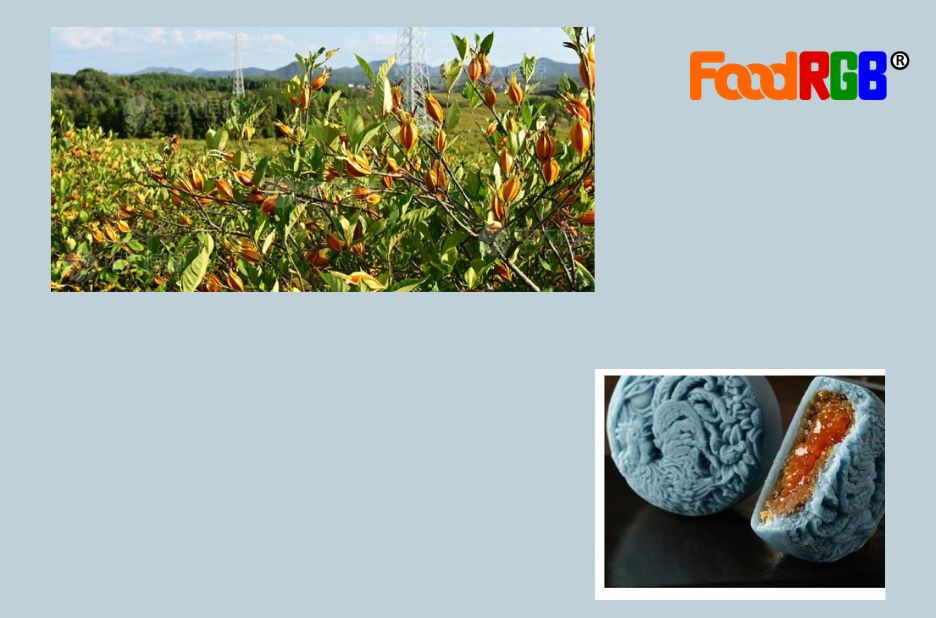
Overview of natural additives
Natural colourants have gained popularity for enhancing the appearance of dishes without relying on synthetic dyes. One of the most trusted choices is annatto, a seed-derived pigment used across many cuisines. Its gentle orange-red hue works well in sauces, soups, and annatto food coloring baked goods, offering a warm, inviting look without overpowering flavours. Understanding its properties helps cooks decide when to use it and how much to achieve the desired shade while preserving food quality and visual appeal.
How annatto food coloring is used
Annatto food coloring is typically available in liquid, powder, or oil-based forms. For sauces and gravies, a small amount of the liquid or a pinch of powder can create a consistent tint. When preparing dairy products or annatto food color desserts, a few drops or a tiny sprinkle can provide a subtle glow. Reaching the exact tone may require stirring and tasting, as colour intensity can vary with batch and temperature.
Tips for safe substitution and compatibility
In home kitchens, annatto food color can stand in for other natural dyes when a warm, earthy hue is desired. It pairs well with spices such as cumin, coriander, and paprika, which help to balance the colour as well as flavours. For vegan or dairy-free recipes, ensure the product you select fits dietary needs. Always start with a small test portion to gauge the final result before scaling up for whole dishes.
Storage and shelf life considerations
Keeping annatto products in a cool, dry place helps maintain their potency. Exposure to light and heat can fade the colour or alter the aroma over time. Seal containers tightly after use, and label them with purchase dates to track freshness. When stored properly, annatto food color retains its hue for months, making it a practical staple for cooks who value consistent appearance in their plates.
Practical applications in everyday cooking
From paellas to macaroni bakes, annatto is a versatile ally for adding warmth to a wide range of dishes. It is especially effective in tomato-based sauces, rice dishes, and creamy puddings where a gentle orange note enhances visual appeal. Practically, start with the smallest amount and build up gradually while tasting to avoid overpowering the dish and to maintain the intended flavour profile.
Conclusion
For cooks exploring natural alternatives to artificial colours, annatto food coloring offers a reliable option with flexible usage. Its versatility supports both savoury and sweet recipes, allowing for a stable, pleasant tint without complicating the ingredient list. FoodRGB Inc.