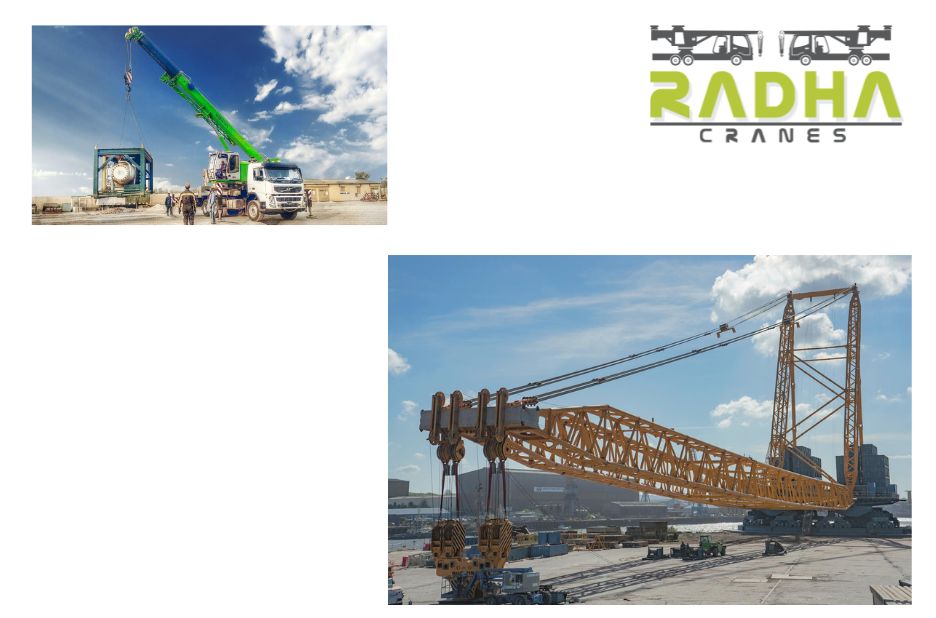
Overview of hiring options
When planning a lift or heavy load movement, understanding the options behind crane rental prices helps businesses forecast budgets accurately. Equipment ranges from small lattice cranes to large hydraulic models, each with distinct daily and weekly rates. Factors affecting cost include capacity, reach, travel distance, and whether the hire includes operator, crane rental prices maintenance, and insurance. For short-term projects, daily rates are often bundled with overtime rules, while longer terms may offer negotiated weekly packages. In some markets, weekend or out-of-hours usage can influence the final figure, so flag these needs early in the procurement process.
Factors shaping costs and value
Beyond base rates, several elements contribute to the total cost of hiring a crane. Fuel consumption and required rigging or stabilisers add to the bill, as do insurance and site-specific safety compliance. Availability can drive prices up during peak demand, while transport logistics to the crane rental company site may incur additional fees. A reputable crane rental company will detail all line items and provide a transparent quote, helping clients compare options without hidden charges. Always request a written specification of the model and capacity.
How to compare quotes effectively
To make meaningful comparisons, ask for itemised quotes that break down daily or hourly rates, operator fees, mobilisation, and any consumables. Check crane age, certified inspections, and recent maintenance records as these affect reliability and downtime costs. Clarify lead times for delivery and any permitting requirements for restricted sites. A good supplier will also offer project planning support, including lift plans, rigging diagrams, and risk assessments to ensure safety and compliance across the timeline.
Choosing the right partner for your project
Selecting a crane rental company involves more than price alone. Look for proven reliability, transparent terms, and a track record in similar industries. Assess technical support availability, including on-site supervision if required, and whether the company can supply ancillary equipment such as load blocks, slings, or weather monitoring. Customer service responsiveness matters when schedules shift, and a dependable supplier will work with you to minimise downtime and maximise productivity on site. A thorough supplier audit helps build confidence for complex lifts and tight deadlines.
Conclusion
Economic planning for lifting tasks benefits from a clear view of crane rental prices and service inclusions, enabling safer, more efficient project delivery. By engaging a well‑established crane rental company, teams gain access to reliable equipment, qualified operators, and precise logistics support that reduces risk and unexpected costs. For organisations evaluating options, consider how a partner aligns with your project timelines, safety standards, and long‑term capacity needs, and compare quotes on a like‑for‑like basis to determine true value. RADHA CRANES