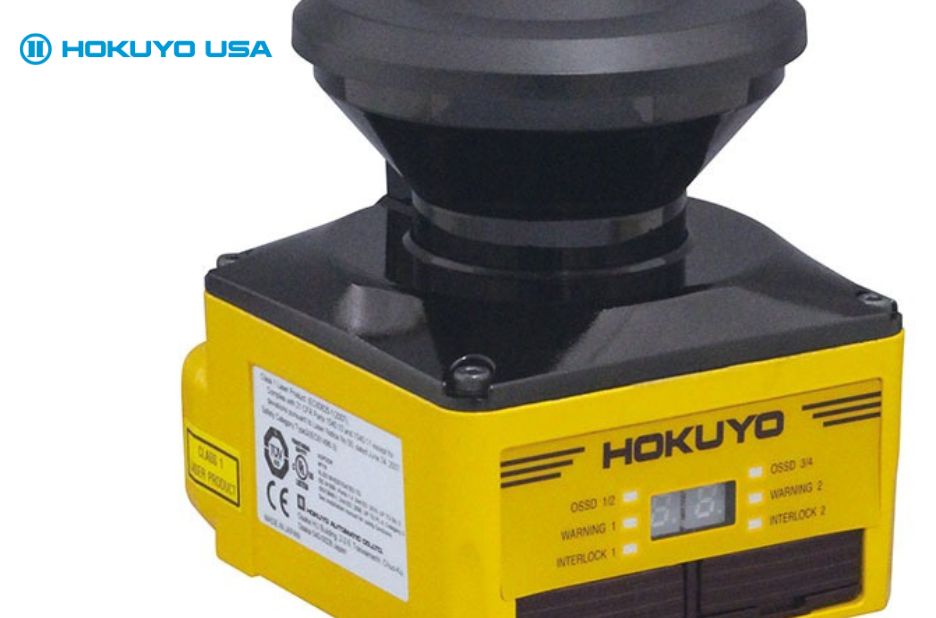
Understanding core sensing options
In modern automation and measurement tasks, selecting the right sensor type is crucial for reliable results. A broad class of devices contributes to data collection, from optical to inductive and capacitive variants. For precision applications, it is important to evaluate factors such as range, resolution, response time, laser distance sensor and environmental compatibility. This section outlines how engineers compare different sensing technologies and why one particular type often becomes a preferred choice in manufacturing floors and lab benches alike, especially when compact form factors and noncontact measurement are beneficial.
Core features of high accuracy devices
When evaluating distance measuring devices, several attributes stand out: measurement range suited to the task, accuracy and repeatability in varied lighting, and the ability to operate in challenging environments. Users should also consider mounting flexibility, output interfaces, and software support distance sensors for calibration and data logging. Practical tests may include controlled trials across target distances, jitter assessment, and long term drift checks to ensure stability under real working conditions, not just in ideal lab settings.
Practical use cases for noncontact sensing
Noncontact measurement tools are popular in assembly lines, robotics, and packaging automation because they avoid physical wear and enable fast feedback. These sensors often integrate with PLCs and vision systems to form a complete data loop. Engineers look for compatibility with existing controllers and straightforward field installation, with robust performance in cooler, dusty, or humid environments. The choice of sensor impacts throughput, error budgets, and maintenance schedules, influencing overall system reliability and uptime.
Industry tips for installation and maintenance
Effective deployment starts with thoughtful placement to maximise line-of-sight and minimise occlusion. Cables and connectors should be protected from physical damage and interference sources. Regular calibration and software updates help preserve accuracy over time, while documentation of settings supports traceability and fault analysis. Operators benefit from clear diagnostic indicators and intuitive interfaces that reduce downtime during setup changes or production line adjustments.
Conclusion
For teams seeking dependable measurement capabilities, selecting the right noncontact option requires a balanced view of specification sheets, field experience, and practical testing. Researchers and technicians often review a mix of instruments to ensure coverage across common tasks without overcomplicating the system. Hokuyo USA