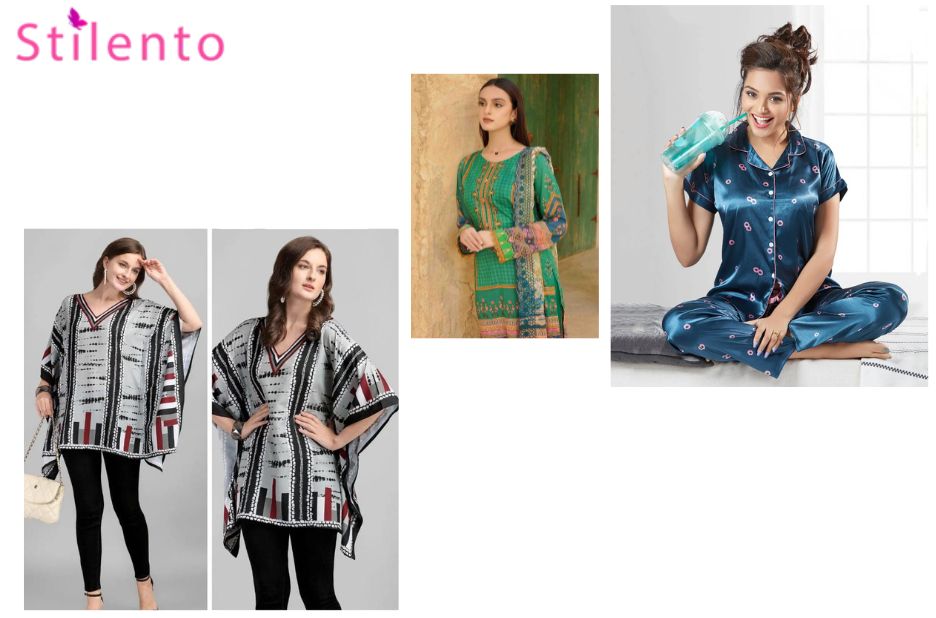
Texture and feel differences
When evaluating fabric options for daily wear, the texture matters as much as the look. A soft cotton dress material should offer a gentle handfeel, with a smooth surface and consistent weight. Look for fabrics that drape well and resist piling after repeated washings. In addition, consider whether soft cotton dress material the material has a slight stretch or a crisp finish, depending on the style you prefer. Assessing the texture in person can help you predict how comfortable the dress will be in warm or humid climates and during long wear sessions.
Breathability and comfort
Breathability is essential for all day comfort. The ideal soft cotton dress material allows air to circulate, reducing cling and overheating. Check the fabric weave—percale or poplin weaves tend to feel lighter, while a twill may offer more structure without sacrificing airflow. For sensitive skin, a tightly woven cotton that has been prewashed can minimize irritation. Comfort also comes from appropriate lining and seam construction that avoids rough rubbing against the skin.
Durability and care routines
Durability matters when choosing a wardrobe staple. A strong cotton dress material should withstand regular washing without significant shrinking or color fading. Review fiber content and finishing processes; higher thread counts often correlate with durability, but avoid overly heavy fabrics that limit mobility. Following care instructions, such as gentle cycles and appropriate detergents, will extend the life of the garment. For sustainability minded shoppers, consider fabrics that maintain softness after multiple launderings rather than requiring frequent replacement.
Color and finish options
Colorfastness and finish impact the overall versatility of a dress. A soft cotton dress material can come in solid shades or subtle prints, with finishes ranging from matte to slight luster. When choosing, test for color bleeding by washing a small swatch or inner seam area, especially with darker hues. Keep in mind that some finishes may stiffen slightly at first but relax after initial wash. A good finish helps maintain wrinkle resistance and a polished silhouette throughout the day.
Fit and styling considerations
Fabric weight and drape influence how a dress will fit on different body types. Lighter, airy materials create a flowing silhouette suitable for casual wear, while midweight options offer structure for tailored looks. Consider the dress pattern and seam lines to maximize comfort and movement. Accessorizing thoughtfully, such as with a belt or light cardigan, can enhance fit while keeping the fabric comfortable against the skin and maintaining a clean, versatile appearance.
Conclusion
In choosing soft cotton dress material, balance texture, breathability, durability, color options, and fit. Prioritize fabrics that remain soft after washing, breathe well in warm weather, and hold up to regular wear. A thoughtful selection ensures comfort and confidence across a range of occasions, from casual brunches to workplace days. By testing texture and reviewing care instructions, you can select a fabric that meets practical needs while delivering timeless style.