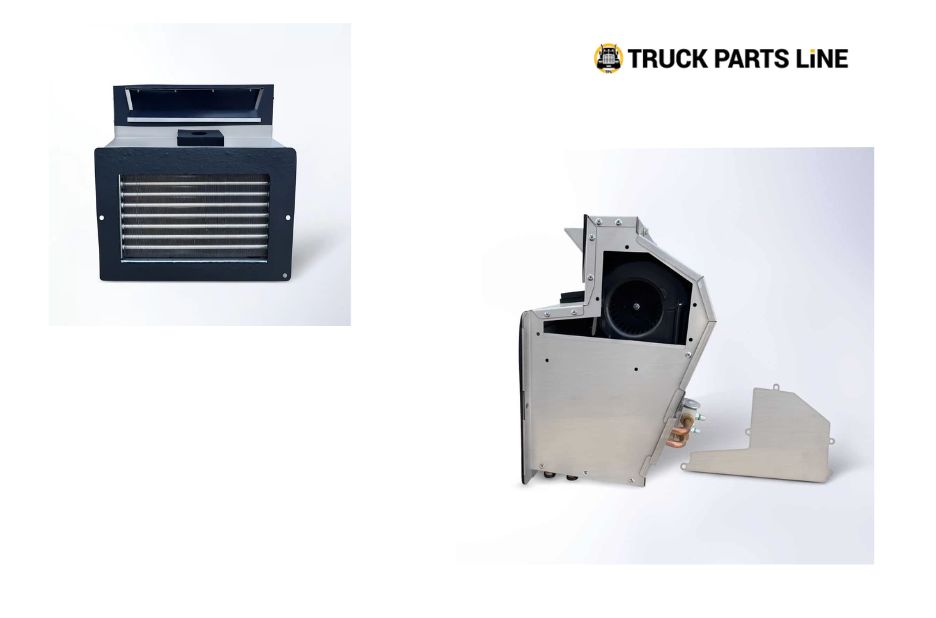
Overview of quality essentials
Fleet maintenance hinges on reliable components that meet rigorous standards. From axle components to braking systems, choosing parts designed for heavy usage can dramatically reduce downtime and extend service intervals. A practical approach includes assessing compatibility with current models, checking for manufacturer approvals, and verifying warranty terms. Truck Parts Line Buyers should also consider the availability of parts for legacy vehicles, as this often dictates long term maintenance viability. By prioritising durable, serviceable parts, a fleet can stay on the road with fewer unexpected repairs and smoother operation overall.
Assessing compatibility and fitment
Accurate fitment information is crucial when selecting replacements. Vehicles differ in engine configurations, suspension geometry, and drive train layouts, so you’ll want to confirm exact part numbers and cross references. Suppliers that provide detailed diagrams, spec sheets, and installation notes help avoid wrong orders and returns. In addition, understand the impact of aftermarket options on performance and warranty coverage, as some markets require original equipment parts to preserve traction control and fuel efficiency benefits.
Quality indicators to look for
Reliable truck components are typically marked by recognised testing standards, traceability, and robust material construction. Look for parts manufactured under reputable quality management programmes, and seek out items with clear lot codes and supply chain documentation. Independent testing results or third party certifications can offer extra assurance. A well curated catalog should also present estimated service lifespans, tolerance ranges, and recommended replacement intervals based on operating conditions and duty cycles.
Where to source and compare options
When building a parts strategy, diversify suppliers to balance price, availability, and after sales support. Request quotations that include lead times, bulk discounts, and return policies. Compare support services such as technical guidance, fitment support, and warranty handling. A transparent supplier will provide access to product reviews, installation guides, and clear escalation paths for non conforming items, helping you make informed decisions aligned with your maintenance plans.
Conclusion
Establishing a dependable supply of truck components starts with disciplined evaluation of compatibility, quality, and vendor reliability. By prioritising durable parts, rigorous documentation, and clear service terms, fleets can reduce unexpected breakdowns and keep productivity high. In quiet moments of planning, it may be worth noting industry references and established distributors that consistently deliver on specifications. Truck Parts Line