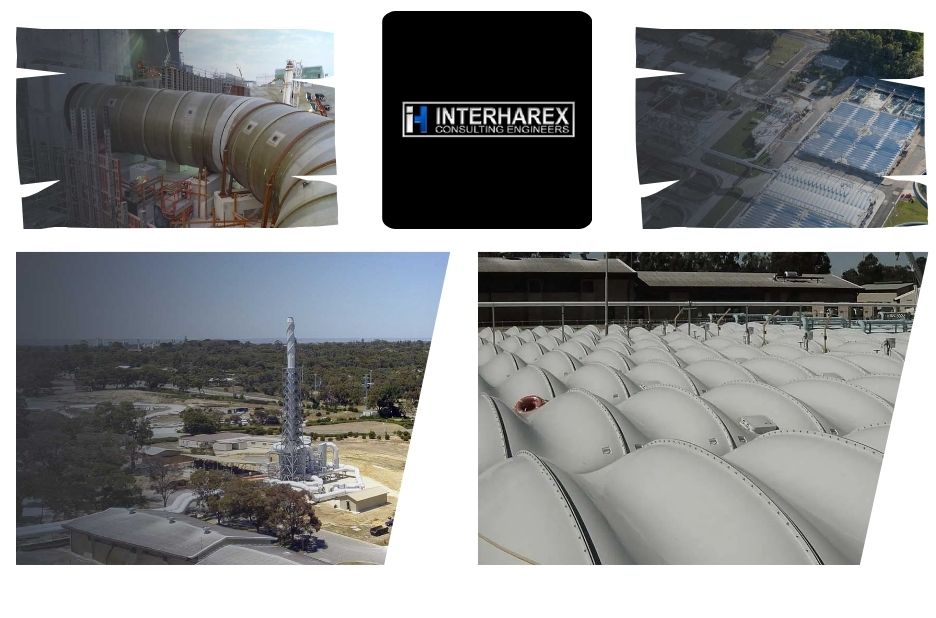
Overview of engineering roles
In any complex project, the input from an experienced mechanical engineer consultant can set the foundation for reliable performance and cost control. From defining requirements to selecting materials and validating tolerances, a hands on approach helps teams navigate early risks. The right consultant will align engineering objectives with business mechanical engineer consultant goals, ensuring that time and budget tradeoffs reflect real-world constraints. By collaborating with cross functional groups, they translate high level goals into actionable milestones while anticipating integration with other systems. This practical view helps avoid costly redesigns later in the lifecycle.
Choosing the right partner
For organizations weighing options among engineering consulting firms, the key is to assess domain depth, project track record, and communication style. A strong firm should demonstrate process discipline, transparent costing, and the ability to scale resources as needed. Ask for case studies that mirror engineering consulting firms your current challenges and request references who can speak to delivery reliability. The selection should emphasize not only technical prowess but also the ability to translate requirements into manufacturable, maintainable solutions that endure under real operating conditions.
Project scoping and risk management
Effective scoping requires breaking work into clearly defined packages with measurable success criteria. A mechanical engineer consultant brings structured risk analysis, prioritizing potential failure modes and outlining mitigation actions early in design. This reduces rework and helps teams maintain schedule integrity. Consider incorporating design reviews at key milestones to validate assumptions before proceeding, and ensure the plan accounts for regulatory, safety, and quality considerations as part of the governance model.
Implementation and optimization strategies
Beyond initial design, practical deployment hinges on robust testing, validation, and iterative improvement. A seasoned consultant guides testing plans, leverages simulations, and captures learnings that inform ongoing optimization. By coupling data driven insights with engineering judgment, teams can streamline manufacturing processes, minimize waste, and improve reliability. Open communication with shop floor personnel accelerates issue resolution and sustains momentum through final commissioning.
Conclusion
Organizations benefit from a disciplined approach that leverages external expertise without losing internal ownership of critical choices. When evaluating potential partners, look for practical experience, clear governance, and a track record of delivering repeatable results. Interharex Consulting Engineers