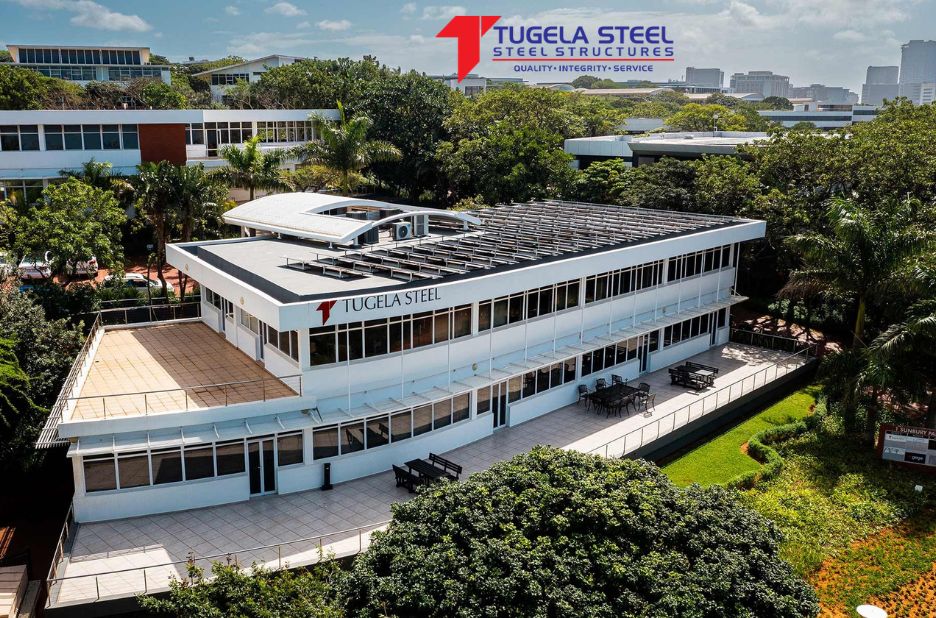
Overview of steel building types
When planning a construction project that requires reliable, scalable protection, steel buildings offer a versatile solution. The choice between standardized options and custom frames often comes down to project scope, timeline, and budget. Standard Size Steel Structures provide a ready-to-assemble approach that can shorten procurement cycles while ensuring consistent quality. Standard Size Steel Structures For facilities like workshops, storage bays, or equipment hubs, selecting a practical kit can streamline installation, reduce on-site handling, and help teams anticipate performance under typical weather conditions. The emphasis is on durable frames, predictable dimensions, and efficient use of materials.
Design considerations for standardized frames
Designing around standardized frames means focusing on compatibility with common dimensions, roof profiles, and connection methods. This approach supports faster fabrication and easier maintenance because components are interchangeable and widely available. Site planning should account for anchorage details, load-bearing requirements, Standard Size Steel Sheds and potential expansion needs. By evaluating access points, door openings, and ventilation early, stakeholders can avoid mid-project changes that drive up costs. A balanced specification respects both structural integrity and practical usage scenarios.
Applications of Standard Size Steel Structures
Standard Size Steel Sheds are frequently chosen for agricultural storage, equipment housing, and small-scale manufacturing support. They enable efficient space utilization with modular bays and clear spans that minimize interior columns. The predictable build process helps project teams align with timelines, procurement windows, and budget bands. While these structures are designed for standard loads, additional reinforcements may be added for unique site conditions or climate considerations. The goal is to deliver dependable shelter that adapts to evolving needs without extensive custom fabrication.
Material selection and longevity
Material choices for standard structures center on coated steel, galvanized connections, and protective finishes that resist corrosion and wear. A well-chosen package includes insulation options, cladding styles, and roofing decisions that support energy efficiency and environmental tolerance. Routine maintenance plans should cover inspections for welds, fasteners, and sealants, alongside periodic weatherproofing checks. Proper budgeting for coatings and protective treatments pays dividends in the form of reduced maintenance cycles and longer service life.
Market trends and procurement tips
Industry trends lean toward modular, quickly deployable systems that meet evolving regulatory standards and safety requirements. Buyers benefit from comparing supplier catalogs that detail standard dimensions, compatibility with standard doors, and available upgrade paths. Engaging with manufacturers who offer clear engineering drawings, verified load ratings, and on-site support helps minimize assumptions. When possible, request a turnkey package that includes delivery, assembly guidance, and warranty coverage to safeguard the project timeline and long-term performance.
Conclusion
Choosing the right path for your project involves balancing standardization with the realities of site conditions and future needs. Standard Size Steel Structures and Standard Size Steel Sheds provide dependable options that help teams stay on schedule while preserving quality and flexibility. As you weigh options, consider how a modular approach can accommodate growth, simplify maintenance, and control costs over time. Tugela Steel