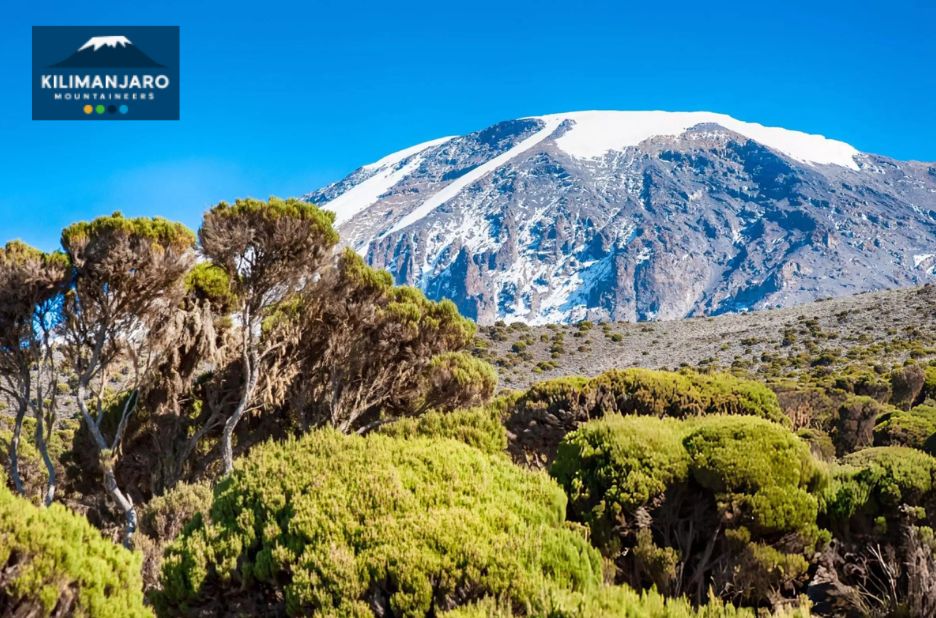
Know what to expect on ascent
Climbing Kilimanjaro requires careful planning around fuel, hydration, and snacks. A Kilimanjaro meal plan on the mountain should balance calories, protein, and electrolytes to maintain energy across high altitudes. Porters and guides often provide freshly prepared meals at camp, with hot dishes that lift morale after a long Kilimanjaro meal plan on the mountain day. Pack light, easy to digest options for the early stages, and be ready for more substantial meals at base camps. Your day on the mountain will be long, and good nutrition is a key part of safety and overall experience.
Food routines and meal timing details
Most itineraries follow a routine of breakfast, lunch, dinner, and hot drinks. To keep energy steady, include complex carbohydrates, lean protein, and healthy fats in each meal where possible. Hydration is essential, so water and electrolyte drinks should be consumed consistently. If you have dietary Kilimanjaro guide cost by route restrictions, communicate with your guide in advance; most camps can accommodate vegetarian, vegan, or gluten-free options. Remember that meals appear at set times, and patience with the kitchen crew pays off when meals are served hot and nourishing.
Gear, weight, and meal planning tips
When planning what to eat, consider weight and practicality. Lightweight, high-energy items like nuts, dried fruits, and energy bars complement the hot meals at camp. A Kilimanjaro meal plan on the mountain can include quick-cook options like instant porridge or soups, ensuring you stay warm in chilly evenings. Coffee, tea, and cocoa are common comforts at camp; these can boost morale and provide a welcome routine after a demanding day on the trail. Pack in moderation to avoid extra weight while still meeting daily energy needs.
Understanding guide costs and route variations
Kilimanjaro guide cost by route varies with distance, terrain, and the number of days. Longer routes and extra support typically increase daily guide fees and porter costs, but experience and safety measures influence the value. When budgeting, account for park fees, gear rental if needed, and tipping norms. It’s common to verify inclusions such as meals, drinking water, and contingency provisions. A transparent breakdown helps you compare options without surprises on the mountainside.
Practical planning tips before you go
Prepare a flexible schedule that factors acclimatisation days and rest periods. Secure a trusted operator who communicates clearly about meals, safety, and what’s provided on each trek. Research typical menus for your chosen route so you know what to expect and can plan around any dietary needs. In the end, a well-managed Kilimanjaro journey blends reliable logistics with personal conditioning, helping you complete the ascent with confidence and a sense of achievement. Kilimanjaro Mountaineers
Conclusion
With thoughtful preparation, your Kilimanjaro adventure can balance nourishment, comfort, and challenge. A clear Kilimanjaro meal plan on the mountain supports steady energy, while understanding Kilimanjaro guide cost by route helps you budget realistically. Focus on reputable operators, clear meal arrangements, and your own acclimatisation pace to improve success odds. Kilimanjaro Mountaineers