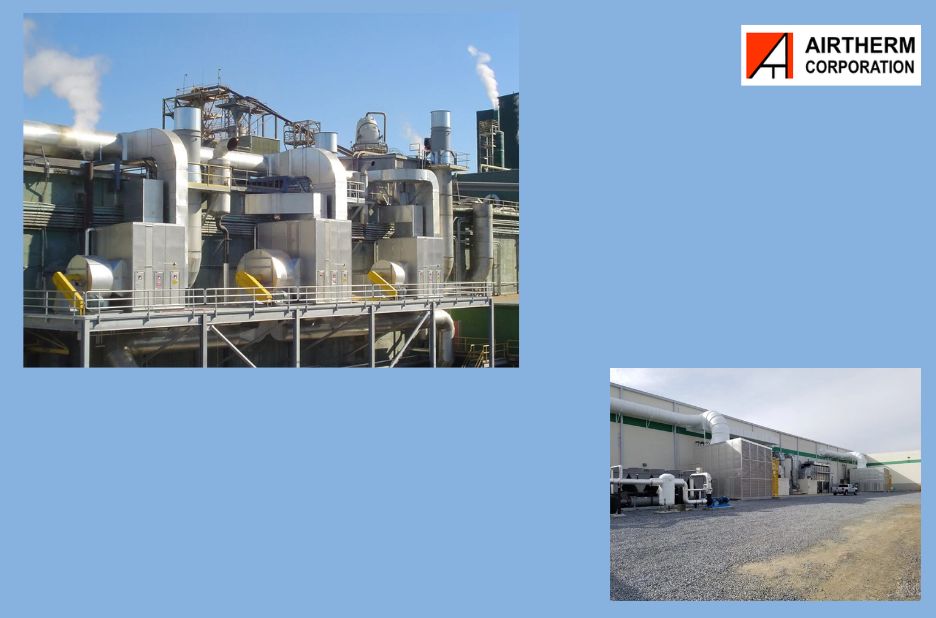
Overview of the Air system role
The Paper Machine Process Air System plays a critical part in maintaining process stability and product quality on modern pulp and paper lines. By supplying clean, conditioned air and managing pressure differentials, these systems protect equipment from contaminants and help regulate temperature and moisture levels within the dryer sections. Operators Paper Machine Process Air System monitor flow rates, filtration effectiveness, and energy use to ensure consistent performance across shifts. Well designed air systems also minimise noise and vibration, contributing to safer work environments while supporting downstream operations such as sheet formation and drying in the press areas.
Design considerations for hood assemblies
Within the Paper Machine Hood, engineering focuses on efficient air distribution, filtration, and heat removal. Hoods must accommodate variable production speeds and furnish uniform airflow to control condenser pickup and strip moisture without creating hot spots. Materials selection prioritises corrosion resistance Paper Machine Hood and ease of maintenance, while seals and gaskets prevent leakage that can degrade process control. Integrated monitoring sensors provide real time feedback on pressure, temperature, and particulate load, enabling quick adjustments and reduced energy consumption.
Maintenance strategies for reliability
A reliable Paper Machine Process Air System depends on proactive maintenance schedules and condition monitoring. Regular filter changes, duct integrity checks, and actuator calibration minimise downtime and extend the life of blowers and dampers. Vibration analysis on fans helps detect misalignment or bearing wear before failures occur, while leak testing maintains optimal pressure. Documentation of service history supports root cause analysis, assists with regulatory compliance, and reinforces a culture of safe, efficient operation across the paper machine line.
Operational benefits and energy efficiency
Optimising the Paper Machine Hood and associated air system can yield tangible gains in energy efficiency and product consistency. Precise control of air velocity, temperature, and humidity improves sheet formation and reduce curl or warp tendencies during drying. Demand-based operation lowers power draw during idle periods and aligns with broader sustainability targets. Operators should evaluate retrofits, variable frequency drives, and modular filter banks to tailor the system to evolving production demands while maintaining air cleanliness and process stability.
Risk management and compliance considerations
Effective management of an industrial air system includes adherence to safety standards and environmental controls. Regular risk assessments identify potential ignition sources in areas with flammable liquids or dust, and lockout/tagout procedures protect maintenance personnel. Compliance with sector guidelines ensures proper handling of compressed air, filtration media disposal, and emission controls. By integrating risk assessment with maintenance planning, mills can reduce unplanned outages and maintain consistent performance across paper machine sections.
Conclusion
In practice, a well integrated Paper Machine Process Air System and Paper Machine Hood support reliable production, energy efficiency, and product quality. Continuous monitoring, disciplined maintenance, and thoughtful design maximise uptime while minimising environmental impact. For practitioners seeking hands‑on guidance, keeping the system aligned with evolving process needs is essential, and seasoned operators will acknowledge the value of a stable, clean air supply across the paper machine line. AIRTHERM CORPORATION