Understanding the Basics
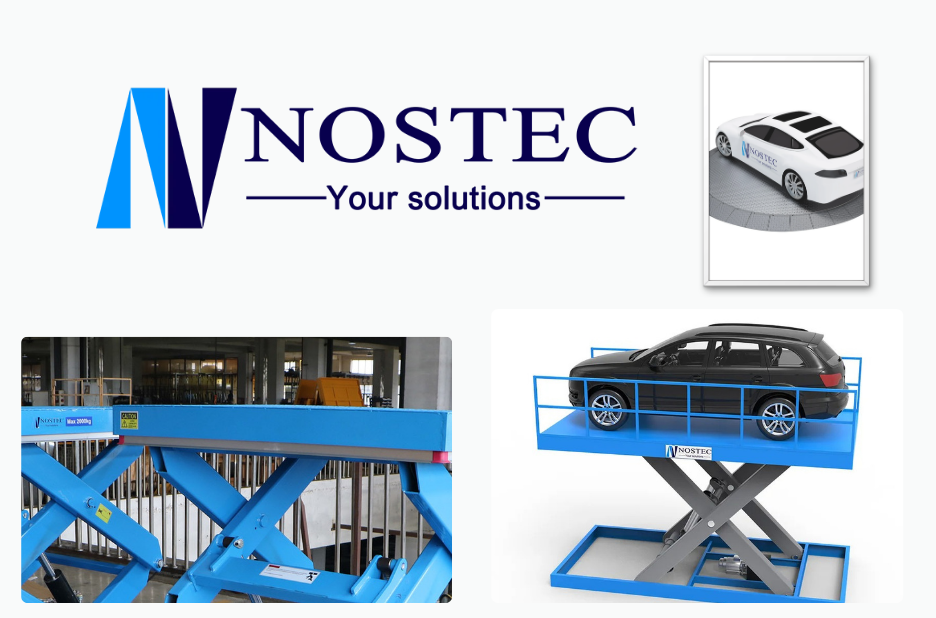
Choosing the right equipment starts with clarity about your needs. A car scissor lift is designed to raise a vehicle safely for inspections, maintenance, or repairs. When evaluating lifting capacity, consider the typical weight of your vehicles, the working height you require, and the footprint that fits your garage or workshop. Safety car scissor lift features like locking mechanisms, dual hydraulic system backup, and quality platform construction help prevent accidents. Additionally, assess the ease of assembly, maintenance intervals, and compatibility with existing tools and stands. This guide helps you weigh practical aspects without getting lost in marketing jargon.
Practical Setup and Safety Tips
Before installation, ensure the floor is level and clean, and verify that the lift’s anchor points align with the structure of your workspace. Use proper wheel chocks and follow the manufacturer’s load charts to avoid exceeding limits. Routine inspections should cover hydraulic hoses, cables, and car turntable cost limit switches. Training for staff or family members who will operate the lift is essential, including emergency procedures. Regular lubrication and torque checks on mounting bolts extend the life of the equipment and reduce downtime from unexpected failures.
Cost Considerations and Budgeting
When budgeting for a car lift, you should account for the base unit, installation charges, and any required upgrades such as oil reservoirs, control boxes, or safety enclosures. Car turntable cost is a separate consideration if your workflow requires rotating the vehicle for easier access to wheels and undercar components. Some buyers compare two-post or scissor models based on space, maintenance needs, and service support from the seller. Don’t overlook delivery timelines and warranty terms, which can influence total ownership costs over time.
Maintenance and Longevity Strategies
Maintenance plans that include periodic calibration, hydraulic fluid changes, and rust protection help extend the life of lifting equipment. Keep a spare parts list handy and establish a routine for inspecting pins, locking bars, and platform hinges. Proactive maintenance reduces downtime and lowers total cost of ownership. If your shop handles a diverse range of vehicles, consider modular accessories that adapt the lift to sedan, SUV, or light truck dimensions while preserving safe operation under varied load patterns.
Choosing a Trusted Supplier
Partner with a supplier that provides clear specifications, transparent warranties, and responsive after sales support. Look for user reviews, independent maintenance guides, and installation tutorials that help you maximize uptime. A reputable company will offer on site demonstrations, operator training, and post sale service plans. In selecting equipment, you want a partner who blends practical know how with durable design, so your investment yields reliable performance for years to come.
Conclusion
Investing in a lift system for your workshop can streamline maintenance and improve safety when done with careful planning. Evaluate capacity, footprint, and the ease of integration with your current tools, and compare options that suit your typical vehicle mix. In the broader conversation about equipment costs, it helps to gather multiple quotes and verify installation timelines, training offerings, and service agreements. You may also encounter considerations around car turntable cost as part of optimizing workflow and access in tight spaces. JINAN NOSTEC EQUIPMENT CO.,LTD