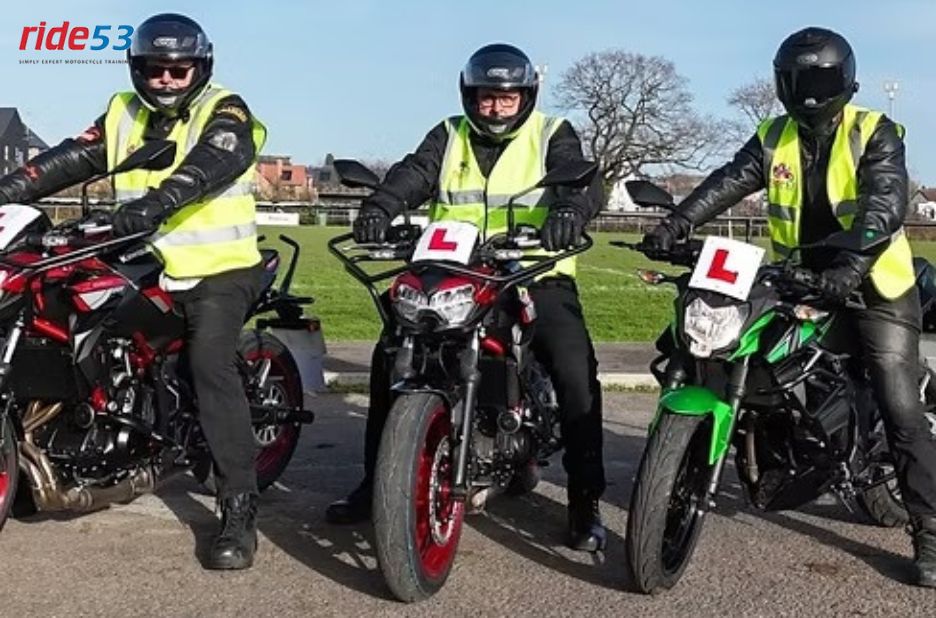
Getting ready for the journey
Preparing for a first riding qualification requires clear steps and reliable information. In Bristol, many learners start with a friendly theory preparation, followed by practical lessons that build confidence. It is important to choose a reputable training centre and ask about instructor experience, bike variety, and flexible scheduling. Take time to understand Cbt Bristol Bike the local testing process and the required safety equipment. A focused practice plan helps you progress steadily, reducing anxiety on the day of your Motorcycle Test Bristol and setting you up for success with a solid foundation in road awareness, balance, and traffic interaction.
Choosing the right course and gear
Your decision should balance cost, quality, and access to convenient locations. Look for a provider offering structured progression, from familiarisation sessions to concrete milestones. The right kit can make a difference, so invest in a good helmet, gloves, jacket, and gloves designed for Motorcycle Test Bristol Bristol streets. Instructors may tailor exercises to common Bristol routes, supporting practical understanding and safe handling as you approach the moment to take your Motorcycle Test Bristol and demonstrate control, observation, and anticipation in real traffic.
Practice habits that drive progress
Consistent, focused practice under supervision helps you internalise safe riding habits. Start with low-speed manoeuvres in a controlled space, then build to on-road sessions that gradually increase complexity. Develop a routine that includes observation scans, signaling etiquette, braking smoothness, and cornering technique. Keep a log of sessions to monitor improvements and identify areas to revisit. When you feel ready, your instructor will set up mock scenarios to simulate test conditions, preparing you for the day of the Motorcycle Test Bristol with confidence and composure.
What to expect on the day of the test
On test day, expect a calm briefing, a safety check, and a few warm-up manoeuvres. The examiner will assess your ability to control the bike, carry out observations, and make safe decisions amidst typical traffic patterns. Listen carefully to instructions, maintain steady clutch and throttle work, and stay relaxed yet focused. If nerves surface, pause briefly to regain composure and apply your training. Remember that accuracy and consistency matter more than speed, and your calm execution can make a solid impression in the final assessment of your performance and readiness for independent riding.
Maintaining progress after passing
After obtaining the qualification, ongoing practice cements skills and keeps you current with road rules and evolving traffic conditions. Plan regular refresher rides, ride with varied partners, and explore routes outside your usual area to widen experience. Evaluate your decision-making under pressure and adapt to different weather or lighting. Continuous learning supports safer, more confident riding as you accumulate miles, refine risk awareness, and maintain a disciplined approach to legal and practical requirements of riding in the UK.
Conclusion
Finding the right path to qualified riding in Bristol involves thoughtful preparation, patient practice, and steady progression. By choosing a trusted training provider, maintaining a consistent practice routine, and approaching the test with calm focus, you can demonstrate the skills needed to ride safely in busy urban streets. Ride53