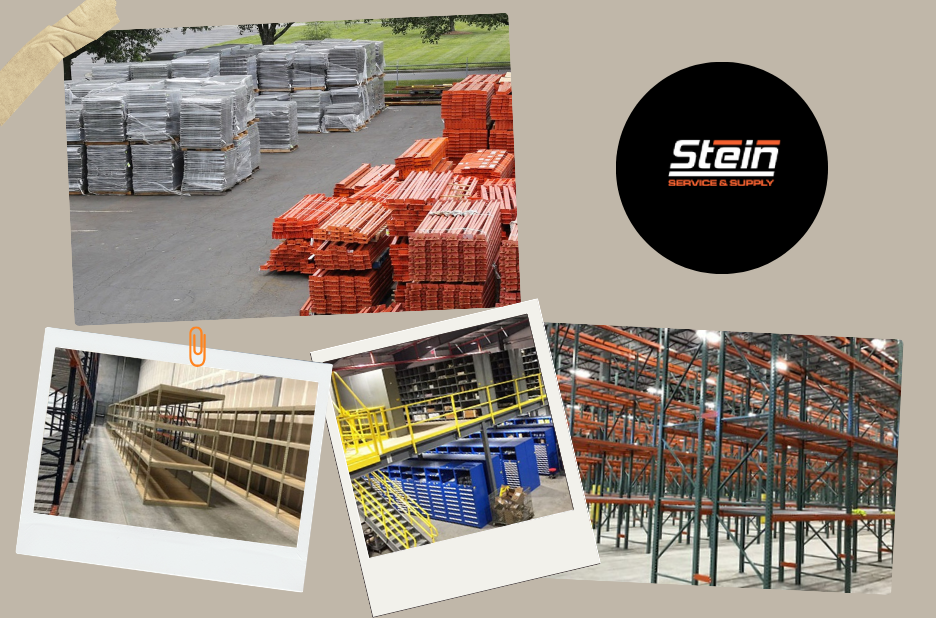
Efficient Options for Secondhand Gear
Running a busy warehouse demands reliable equipment that won’t break the bank. When considering used warehouse equipment, careful selection matters—from forklifts and pallet jacks to shelving systems. A practical approach focuses on condition, maintenance history, and available support. Buyers should prioritize units with used warehouse equipment verifiable service records, functional safety features, and parts availability. By choosing well-maintained, gently used options, operations can continue to meet demand without overstressing capital budgets. A thoughtful, staged purchase plan helps balance throughput with long-term reliability.
Evaluating Storage and Racking Systems
Pallet racking greensboro markets offer a spectrum of configurations to fit different space and handling needs. Before purchasing, map out aisle widths, load requirements, and future growth. Inspect for bent frames, damaged beams, or corrosion, and verify compatibility with existing forklifts pallet racking greensboro and dock equipment. Renting a short trial period or obtaining a detailed inspection report can uncover hidden issues. A strong focus on safety and load integrity protects workers and preserves inventory value over time.
Cost Saving Strategies for Inventory Equipment
Strategies to maximize value from used warehouse equipment include negotiating warranties, obtaining original manuals, and verifying compatibility with facility power standards. Consider consolidating vendors to simplify maintenance, spare parts access, and service scheduling. A well-planned transition to used gear minimizes downtime during swaps, ensures consistent workflow, and protects throughput during peak seasons. Financially, spreading payments or opting for staged upgrades keeps cash flow stable while meeting operational goals.
Safer Handling and Compliance Practices
Safety should drive every equipment decision. Inspect wear components, test emergency features, and confirm operator training aligns with the machine’s capabilities. Documented safety checks and routine maintenance reduce incident risk and extend equipment life. When introducing used assets, sync with your safety program, update lockout/tagout procedures, and re-certify operators. A disciplined approach helps your team work efficiently while staying compliant with industry standards.
Planning a Seamless Upgrade Path
Developing a clear upgrade path helps facilities stay competitive. Start with a needs assessment that aligns with production targets, space constraints, and energy use. Prioritize assets that deliver high impact on productivity with solid vendor support. Create milestones for budget approval, delivery, and staff training. By treating used equipment as part of a broader improvement plan, warehouses can scale operations methodically without sacrificing reliability or safety.
Conclusion
Careful assessment, ongoing maintenance planning, and pragmatic budgeting form the backbone of successful reuse strategies for warehouse assets. When choosing equipment, emphasize reliability, compatibility, and service access to minimize downtime and extend asset life. Throughout this process, consider market options and practical needs to ensure a smooth transition that supports daily operations. Stein Service & Supply