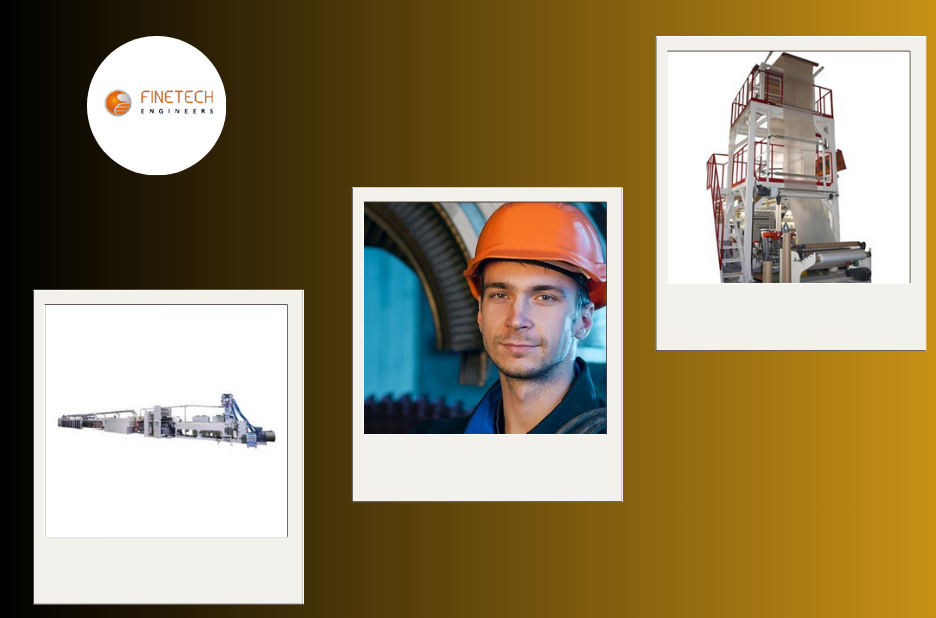
Industry overview and capabilities
In today’s manufacturing landscape, an extrusion system must blend efficiency with precision to produce consistent profiles and parts. An extrusion plant involves tightly integrated equipment, from feeders to die tooling, designed to handle diverse materials with minimal downtime. Understanding material characteristics, energy consumption, and throughput Extrusion plant manufacturer requirements helps plant managers choose scalable configurations. The right setup enables smoother changeovers, better process control, and reduced waste. Industry players focus on reliability, serviceability, and compatibility with existing plants to support long-term productivity without sacrificing quality.
Key equipment and process control
Modern extrusion lines rely on robust screw designs, barrels, and control interfaces that monitor temperature, pressure, and torque in real-time. Advanced extrusion machines emphasize energy efficiency and quiet operation, while modular tooling allows quick adaptation to new product Extrusion machine manufacturer in India runs. Operators benefit from intuitive dashboards, automated alarms, and predictive maintenance alerts that minimize unplanned downtime. A well-tuned process reduces scrap, enhances surface finish, and delivers repeatable outputs under varying production schedules.
Quality assurance and material handling
Quality begins with material selection, proper drying or conditioning, and accurate dosing. Downstream, take-off and haul-off units ensure consistent winding, cutting, and stacking. Inline measurement devices verify dimensions and tolerances, supporting traceability and compliance. Efficient handling systems reduce manual handling risks and improve overall workflow. Manufacturers should implement standardized testing routines and validated process windows to sustain product integrity from start to finish.
Choosing the right partner for your extrusion line
Selecting an experienced supplier requires evaluating technical capability, spare parts availability, and after-sales support. Prospective buyers should request detailed process layouts, energy usage projections, and maintenance plans that demonstrate a clear path to uptime and quality. It helps to review case studies that reflect similar material families and production targets. A trustworthy provider aligns with your business goals and offers practical training for operators and engineers to maximize equipment performance.
Conclusion
Partnering with a proven extrusion equipment provider can transform throughput and consistency across product families by aligning machine capability with process discipline. When evaluating options, look for transparent performance data, serviceability, and a shared commitment to long-term efficiency. For organizations pursuing steady growth and reliable returns, a thoughtful choice now pays dividends later, as operations scale to meet demand. Finetech Engineers