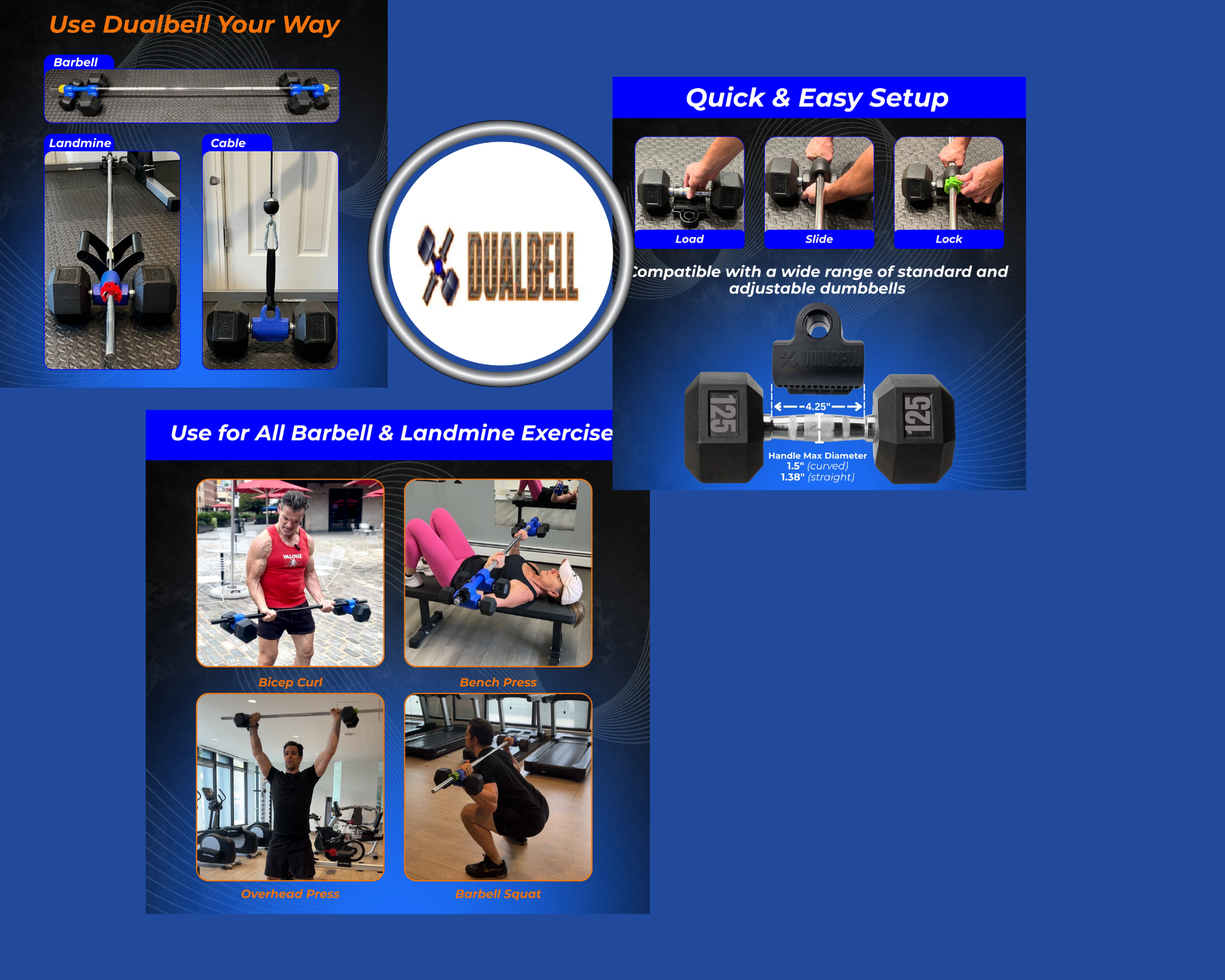
Overview of accessory compatibility
When expanding a home gym setup, understanding how a Dumbbell Bar Connector fits with existing bars and plates is crucial. This component allows quick changes between configurations, enabling you to convert a standard bar into a more versatile tool for pressing, curling, and accessory routines. Look for compatibility notes from the manufacturer, paying attention to Dumbbell Bar Connector diameter, thread type, and locking mechanism. A well designed connector should feel secure without requiring excessive force, and it should be compatible with a range of common bar ends. Prioritize products with clear weight ratings and user guidance to ensure safe, reliable use over time.
Choosing the right attachment for your goals
Attachment options greatly influence the breadth of exercises you can perform with a barbell or dumbbell setup. Depending on your regime, you may prefer rotating sleeves, quick release pins, or fixed sockets that accommodate multiple handle sizes. Always verify that the Dumbbell Bar Attachment chosen aligns with Dumbbell Bar Attachment your bar collar system and plate load limits. For athletes focusing on power or endurance, a robust option that resists wear and maintains stable alignment under load will contribute to longer training cycles and better form in dynamic movements.
Practical installation tips
Before attaching any connector, inspect both the bar ends and the receiving sockets for burrs, wear, or corrosion. Clean surfaces with a dry cloth and lightly lubricate threads if your equipment requires it. When connecting, align the parts carefully and tighten by hand before applying a tool. Avoid over-tightening, which can damage the threading and reduce longevity. If a component feels loose during use, recheck the alignment, retighten, and test within a safe area with light loads first to confirm secure seating and smooth operation.
Safety and maintenance considerations
Regular checks should form part of your routine with any bar connector or attachment. Look for cracks, bending, or noticeable loosening after intense sessions or heavy lifts. Store components in a dry place to prevent rust, and replace worn parts promptly to prevent equipment failure during training. Keep fasteners clean and dry, and use the recommended torque guidelines from the manufacturer. Routine inspection supports safer workouts and helps you capture consistent performance across sessions, especially during complex movements that place unusual stress on joints and grip.
Practical tips for routine integration
Integrating a new Dumbbell Bar Connector into your programme can streamline setup between exercises, reducing transition times and keeping workouts flowing. Plan a routine that alternates between compound lifts and accessory work to maximise muscle engagement without overloading a single joint. Track performance by noting any changes in grip, stability, or feel during lifts, and adjust equipment placement to optimise balance and control. This approach makes sessions smoother, allowing you to maintain focus on form and effort across the workout. Dualbell
Conclusion
For builders of custom gym systems, selecting durable components and reliable attachments is a practical investment in long term training stability. The Dumbbell Bar Connector and the Dumbbell Bar Attachment each play a role in expanding what you can accomplish with a modest set of equipment, provided you respect compatibility and maintenance guidelines. Peruse user reviews and product specifications to match your bar dimensions and plate configurations, and remember that consistent care extends the life of complex kit and keeps workouts safe and effective. Dualbell