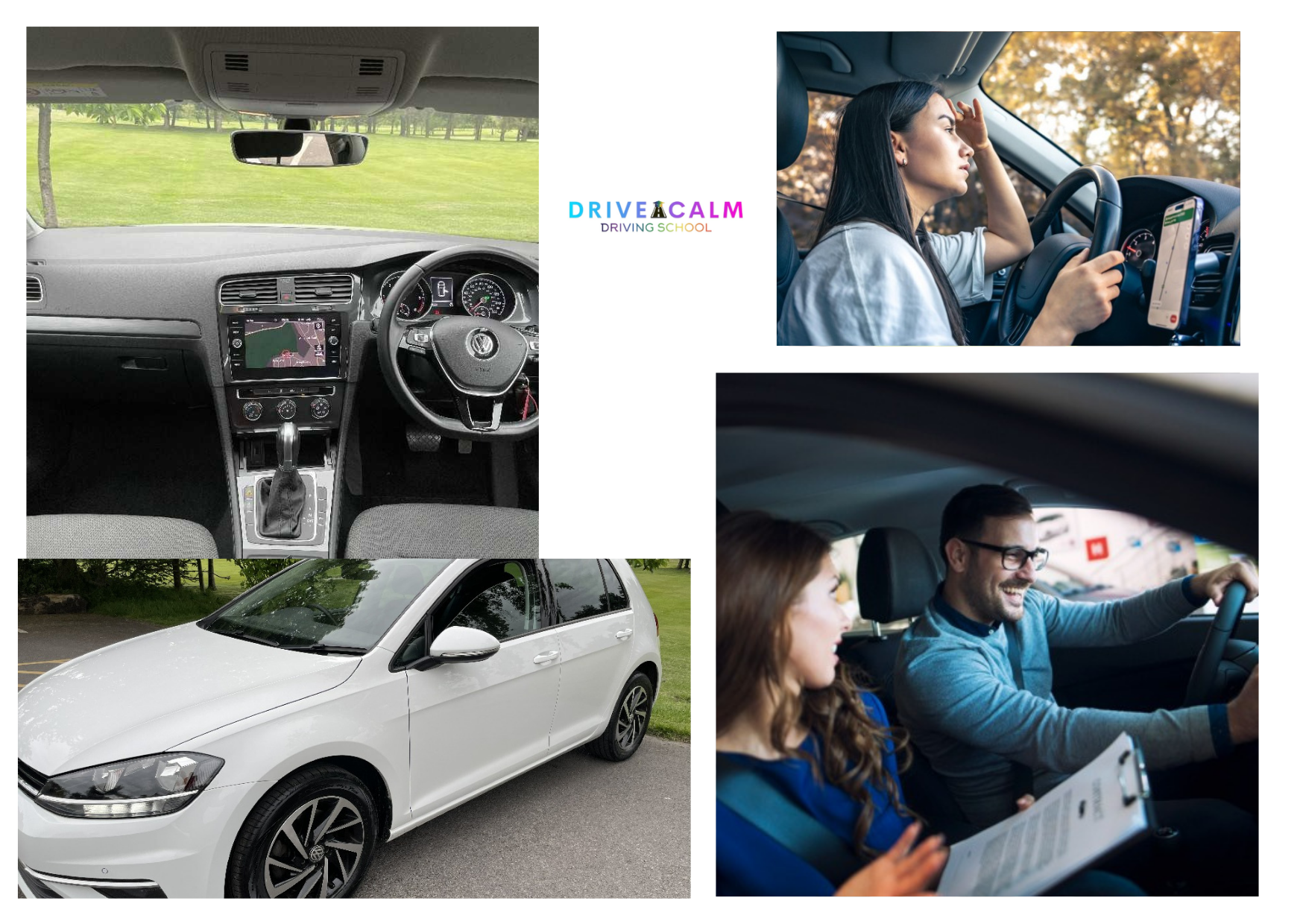
Start with a roadmap for real-world confidence
A practical plan beats random practice because it gives you a clear sequence of skills, from fundamentals to real decision-making. That means each session targets specific situations such as merging, filtering, and handling changing lane markings. As you progress, your instructor can measure what’s improving and what needs more focus.
To make the most of every lesson, ask your instructor to explain what you will work on before you start driving. A good lesson outline includes the goal for the drive, the route style, and the type of feedback you’ll receive after key maneuvers. You should also discuss your current comfort level with mirrors, signaling, and speed control so the plan matches your needs. This approach helps you transfer learning from a quiet road to busier streets without feeling overwhelmed.
Choose routes that teach junctions, hazards, and flow
Real confidence comes from practicing on roads that resemble the conditions you’ll actually face. In the UK, that often means tackling roundabouts, busy junctions, pedestrian crossings, and short stretches with multiple hazards. A structured lesson typically includes local routes that expose DVSA approved automatic instructor UK you to common patterns of driving, so you learn to scan further ahead and anticipate others’ behavior. When you repeatedly practice the same skill in different contexts, it becomes easier to stay calm under pressure.
Pay attention to how the instructor introduces road complexity. For example, you might begin with a simple route that includes straightforward side roads, then progress to routes featuring right turns across moving traffic. Junction practice should include observations, mirror checks, and clear decision points, not just the final turn. If you’re learning an automatic vehicle, you should also get targeted guidance on speed management, spacing, and smooth gear-independent control—so your driving remains safe even as traffic flow varies.
Use feedback loops that turn lessons into measurable progress
Structured learning works best when feedback is timely, specific, and actionable. After each key maneuver, your instructor should point out what you did well and what to adjust for the next attempt. Instead of generic comments like “slow down,” you’ll benefit from details such as when to begin braking, how to check for cyclists near the kerb, and how to position the car for better visibility. Over time, these improvements build into steady progress rather than repeating the same struggles.
It also helps to keep a simple progress log between lessons. Note your toughest moments—such as judging gaps at busy junctions or staying smooth during stop-and-go traffic—then bring those notes to the next session. Your instructor can then tailor the plan so you practice the right fixes instead of covering unrelated basics.
Conclusion
When you treat driving practice as training rather than casual time behind the wheel, you gain calm, control, and clarity on the road. A practical approach means practicing the situations that matter—junctions, hazards, route flow, and decision-making—so your confidence grows with every session. You’ll also notice improvement between visits because each drive builds on the last, instead of starting from scratch. Drive calm. is built around this method, structuring each lesson around real road experience and covering local routes, junctions, and common Cambridge test areas. That focus helps learners develop safe habits, steady progress, and the ability to respond thoughtfully when traffic conditions change. If you want a plan that feels structured, realistic, and measurable, use Drive calm. as your guide.