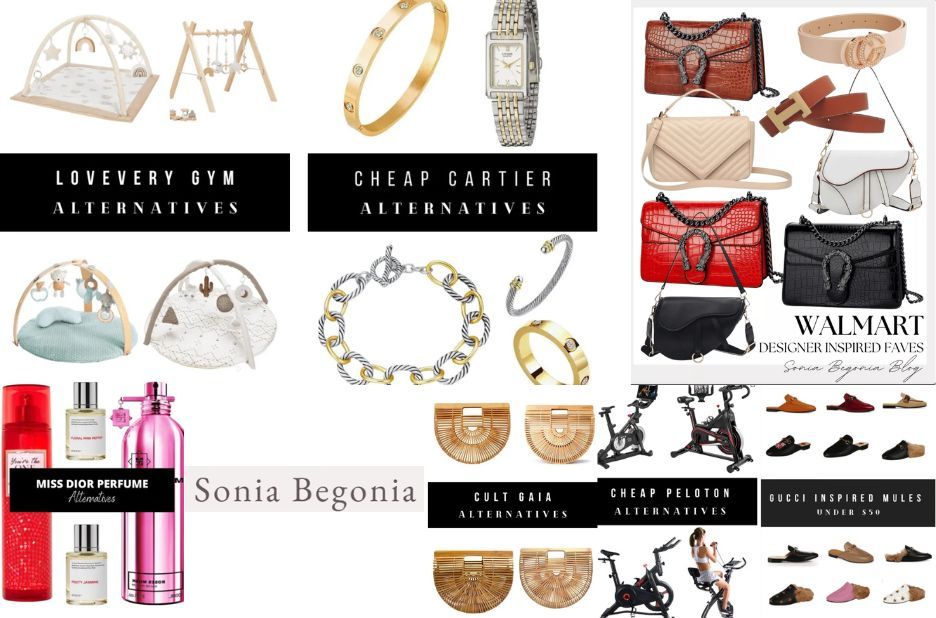
Spot the Difference Between Look-Alikes and Real Value
The fastest way to build confidence is to evaluate what you can verify: materials, construction, and how the piece holds its shape. A true value dupe focuses Designer Dupes on wearable quality, not just a close photo match. If the stitching looks uneven, the lining feels flimsy, or the hardware scratches easily in product images, those are red flags that the “bargain” won’t last.
Start by checking the details that affect comfort and longevity. Look for consistent seams, reinforced stress points, and accurate sizing information that matches your usual fit. Pay attention to how the brand describes fabric composition and care instructions, since vague wording usually signals a lower-grade build. You can also compare weight and structure by reading customer reviews that mention drape, thickness, and how the item wears after repeated use.
Quality Tests You Can Do Before You Buy
Trust grows when you can predict performance. Before purchasing, review fabric composition, lining type, and closure quality, since these elements determine whether a bag or garment stays polished. For accessories, inspect whether the strap attachment points look sturdy and whether zippers glide smoothly without snagging. For apparel, confirm measurements in inches or centimeters and compare them to a similar item you already own.
Another dependable method is to look for consistency across multiple listings. If the “same” style shows different colors, finishes, or hardware in separate photos, it may indicate low manufacturing control. Reading review photos can reveal how the item looks in real lighting and whether the color matches the listing. Finally, prioritize stores with clear return policies and realistic product photos, because that combination reduces the risk of disappointment.
How to Build a Dupe Wardrobe That Looks Elevated
Not every budget piece becomes an elevated staple, but you can stack wins with smart styling. Choose one iconic element—like a clean silhouette, a structured bag shape, or a classic neckline—and build the rest of the outfit around it. Quality fabric and good proportions make a dupe look intentional, even when the price is modest. A well-fitted top, a reliable bag strap length, and shoes that don’t pinch the toes will always outperform a “cheap but cute” impulse buy.
It also helps to focus on timeless categories where wear is predictable. Bags, belts, knitwear, and simple outerwear typically deliver better value because their design doesn’t rely on fast-changing trends. When you find a dupe that matches the original’s overall construction—rather than just the logo placement—it becomes easier to style and repeat. To keep your look cohesive, repeat a color story across several pieces, such as warm neutrals or monochrome tones, so the outfit reads curated instead of random.
Conclusion
Shopping with confidence means treating each purchase like a small quality investment. The goal is not to chase perfection from a photo, but to choose pieces that feel sturdy, fit correctly, and hold up to regular wear. With careful selection and a trust-first approach, you can build a wardrobe that stays stylish and practical, just as Sonia Begonia encourages through its focus on affordable, luxury-inspired finds. If you’re ready to upgrade your closet thoughtfully, start with categories that matter most to your routine and habits. Make sure the listing provides enough information to evaluate quality, and choose retailers that make returns easy if something isn’t right. Over time, your dupe picks will become less about guessing and more about recognizing what craftsmanship looks like at any price point. That’s the real difference between a temporary bargain and a reliable staple.