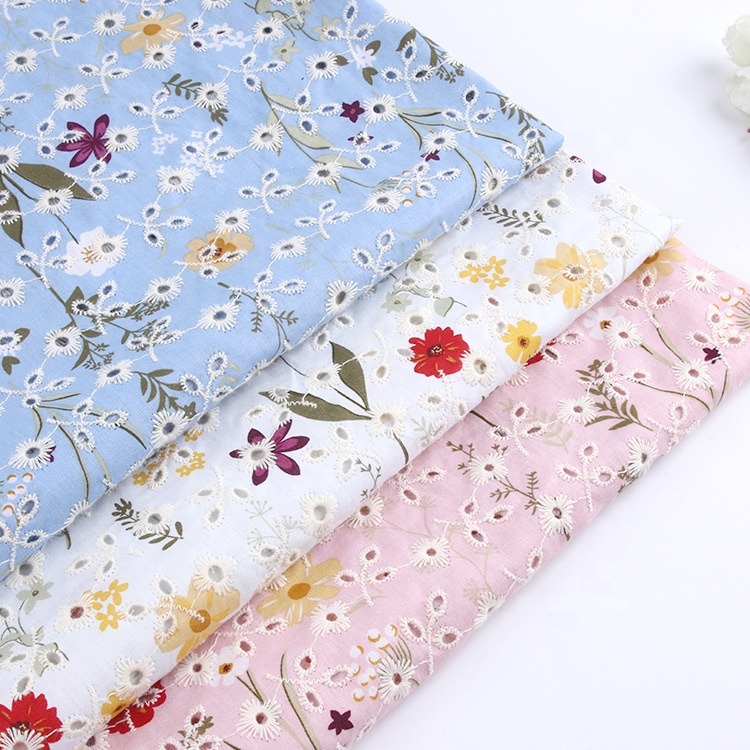
Global networks and local craft shape every yard of fabric
Apparel fabric manufacturers operate at the intersection of art and logistics. They blend fibre choices, dye chemistry, and weaving or knitting tech into a single roll of cloth. The best firms maintain tight quality audits while offering quick sample turns and transparent material scores. Buyers learn to test pH stability, tensile strength, apparel fabric manufacturers and colourfastness early, because real wear pressures reveal weaknesses. When a factory lines up with trusted mills, the outcome becomes steadier than lone craft can promise. The practical advantage is predictability—less mischief from batch to batch and more time saved in product development cycles.
Material variety drives collaboration and design precision
Apparel fabric manufacturers thrive by stocking a broad array of fibres, blends, and finishes. From cottons to synthetics, from brushed finishes to compact twills, suppliers become creative partners rather than mere suppliers. Designers push for performance banners like moisture-wicking or UV protection; mills respond with tested samples and documented performance data. The synergy hinges on honest feedback loops, where fabric engineers translate a concept into a tangible sample within a tight timeline. In this world, flexibility is as valuable as fibre type, guiding choices that balance cost with end-use needs.
Quality control fused with traceability under modern standards
Apparel fabric manufacturers invest in QA labs, spectrometers, and standard test protocols to prove every meter meets spec. Traceability matters, especially for brands chasing sustainability claims. Audio-like chatter from suppliers fades when audited records show raw material lots, dye lots, and finished fabric certificates. Buyers value firms that can map a product’s journey from bale to bolt, and then to the sewing line. With that clarity, designers avoid late-night scrambles over colour shifts or fabric pilling, keeping launch timelines intact and consumer trust high.
Scale decisions hinge on capacity, lead times, and relationships
Apparel fabric manufacturers balance capacity without bloating costs. When orders swell, robust mills offer flexible capacity or shared production slots. Lead times shrink with integrated planning and dependable logistics. The strongest partners provide early warning on potential delays, offering alternatives like substitute yarns or faster dye routes to keep schedules intact. For brands, the payoff is steady delivery windows and predictable pricing, which stabilises line planning and reduces the risk of stockouts that chase margins and customer satisfaction.
Innovation flows from lab to loom and into consumer wear
Apparel fabric manufacturers push for smarter textiles while keeping feet in the real world. They test new blends that promise softness without compromising durability, or finishes that resist grime without harming touch. Small, iterative runs let firms trial novelty with minimal waste. End-use tests reveal comfort, drape, and breathability, turning bold ideas into fabric that actually feels right on skin. The result is a factory floor that blends trial and creed, where curiosity is kept in check by reliable metrics that guide every decision toward viable products.
Conclusion
Apparel fabric manufacturers form a web of supply where farmers, spinners, and dye houses all play a role in the final garment feel. The most successful outfits publish clear milestones: fabric weight, weave pattern, stretch recovery, and wash durability. Retail partners then riff on these specs to tailor silhouettes and trims. What follows is a smoother path from idea to ready-to-wear, with fewer surprises on release day and more chance of a story that resonates with shoppers who care about fabric as much as fit.