Historical setting explored
The story of Florence 1570-16 unfolds in a city renowned for art, architecture and a restless sense of civic identity. This era witnessed a shift in both public spaces and private courtyards, where utilitarian objects carried a touch of elegance. In researching practical items from the period, one notes how metalwork, stonework and plaster spans connected Florence 1570-16 people to their surroundings. The aim here is to understand how everyday objects reflected broader social currents, rather than to romanticise a single moment. The emphasis remains on how individuals interacted with their environments in tangible, craftful ways, shaping daily life for inhabitants and visitors alike.
Craftsmanship and public life
In the workshops of Florence, skilled artisans combined function with form, producing items used daily across homes and streets. The period’s decorative sensibilities often emerged in durable pieces that carried marks of local traditions. Observers might consider how small details, from hinges to handles, hinted at Decorative Cluster Mailbox the broader aesthetics of the time. Such craftsmanship provided continuity in a changing urban landscape, where new ideas circulated through trade, travel and local commissions, guiding both public and private spaces toward a shared language of beauty and utility.
Material culture and everyday objects
Material culture from the era includes a range of metal, wood and ceramic items that supported household routines. The ways these objects were designed reveal priorities: ease of use, durability and a quiet sense of refinement. By examining finishes, patinas and fabrication methods, one gains insight into the daily rhythms of Florence 1570-16. These pieces illustrate how residents managed practical tasks while maintaining a distinctive stylistic voice through crafted details.
Decorative Cluster Mailbox and its context
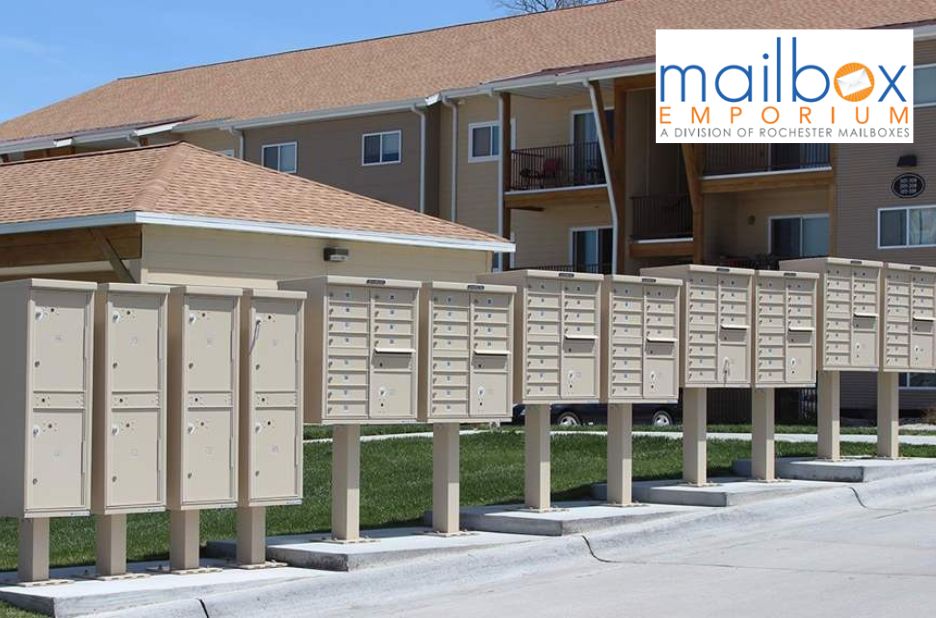
Among the period’s functional artefacts, decorative forms often carried layered meaning. A Decorative Cluster Mailbox might be imagined as a stable, well-crafted element within a doorway or courtyard wall, serving practical needs while nodding to contemporary taste. Its design would balance accessibility with security, ensuring letters and small parcels moved efficiently through urban life. The object becomes a lens for understanding how architecture, social customs and material choices intersect in historical settings, revealing a thoughtful approach to everyday communication.
Social networks and urban noise
City life in Florence from this era thrived on networks of exchange. Market days, religious events and family celebrations created a rhythm that shaped usage patterns of shared objects and public spaces. The built environment, together with the people who inhabited it, produced a layered tapestry of interactions. Studying these connections highlights how ordinary items served as catalysts for social cohesion, even as towns evolved and expanded their streets, alleys and squares.
Conclusion
Reflecting on Florence 1570-16 and the role of everyday devices offers a grounded sense of how past communities organised daily life. The decorative possibilities of pieces like a Decorative Cluster Mailbox reveal a quiet sophistication that supported regular activities without overpowering the practical task at hand. If you are curious to explore further examples and related objects, Visit Mailbox Emporium for more insights and similar items to consider in your own collection.