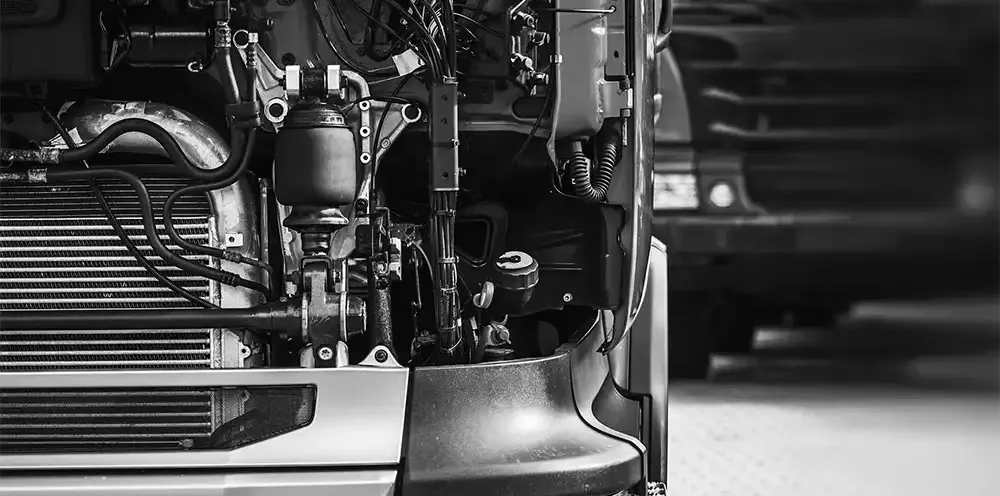
Overview of truck maintenance
Regular checks on heavy vehicles help prevent costly failures and keep fleets compliant. A practical approach starts with a clear routine that covers air, fuel, and exhaust systems. By documenting each step, drivers can flag issues early and mechanics can prioritise repairs. Clean Truck Check This article guides you through a straightforward process centred on the key areas that influence efficiency, reliability, and emissions. A steady workflow reduces downtime and extends the life of crucial components without unnecessary downtime or guesswork.
Key inspection points for trucks
Documentation and a methodical visual sweep are your first tools. Check for obvious signs like loose connections, cracked hoses, or corrosion on clamps. Listen for unusual engine notes and monitor gauge readings during idle and under load. Equally Diesel exhaust filter cleaning important is inspecting the air intake and filtration, ensuring seals are intact and filters are clean. After an initial survey, plan targeted tests to confirm suspected issues and prioritise repair work accordingly.
Importance of Diesel exhaust filter cleaning
Diesel exhaust filter cleaning is a critical part of maintaining emissions systems and overall truck performance. Blocked or degraded filters create back pressure, reduce fuel economy, and can trigger warning codes. A practical approach blends routine visual checks with scheduled cleaning or replacement, depending on duty cycle and manufacturer guidance. Keeping the filter in good condition supports engine efficiency and lowers the risk of costly failures during peak workloads.
Maintenance routine you can follow
Establish a simple, repeatable service cadence that fits your operation. Start with daily pre-trip checks and extend to a weekly deeper inspection. Use a checklist to verify turbo integrity, exhaust connections, and sensor readings, then log any anomalies. When a concern arises, isolate it to a specific system and plan a focused repair. This disciplined routine keeps your fleet reliable and compliant with industry standards.
Incorporating professional support
While many tasks are manageable in-house, certain diagnostics and cleaning tasks benefit from professional expertise. Schedule periodic servicing with a trusted technician to review calibration, control systems, and emission components. Training drivers to recognise warning signs can also improve response times and reduce unnecessary maintenance costs. A proactive stance now pays dividends in reliability and uptime later. Visit CLEAN DIESEL SPECIALISTS for more expertise and guidance on keeping your fleet in top shape.
Conclusion
Applying a focused, consistent approach to vehicle checks helps sustain performance and manage operating expenses. By emphasising clean air and efficient exhaust management, you support better fuel economy and fewer roadside disruptions. Keep your maintenance records tidy and share findings with your workshop to ensure timely interventions. Clean Truck Check procedures, aligned with your duty cycle, reinforce safety, compliance, and long-term value for your fleet.