Practical material choices
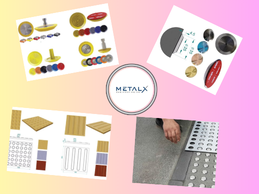
Choosing the right brass options involves weighing durability, finish, and ease of maintenance. Brass tactile studs and brass tactile strips are popular for their corrosion resistance and warm, stable tones that suit high-traffic areas. When selecting, consider screw depth, mounting surface, and the environment to ensure brass tactile studs longevity. A satin finish often reduces glare while maintaining a professional look, and pre-sanded edges can improve comfort under touch. For compliance, verify compatibility with your substrate and ensure smooth, consistent dimensions for uniform tactile feedback across installations.
Installation techniques and tools
For secure tactile installations, start with precise measurements and layout planning. Use a magnetic stud finder to locate studs and a level to align rows. Drill pilot holes slightly smaller than the fasteners and apply appropriate brass hardware to prevent brass tactile strips loosening over time. Careful seating and screw tension are essential to avoid warping delicate surfaces. In metal or stone, countersunk fittings can provide flush profiles, while plastic anchors offer additional stability in softer materials.
Maintenance and longevity considerations
Regular inspection helps detect loosened fixtures, edge chipping, or finish wear on brass tactile components. Clean with a mild, non-abrasive cleaner and dry promptly to prevent salt or chemical residues that can accelerate tarnishing. If patina is desired, apply a protective wax or specialised brass conditioner. Replacing worn elements in a timely manner minimizes trip hazards and preserves the tactile guidance system’s effectiveness for users, particularly in public and commercial spaces.
Accessibility and compliance factors
Clear tactile cues support wayfinding for visually impaired individuals, making consistent, well-secured brass parts essential to universal design. Aligning tactile studs and tactile strips with established standards helps ensure reliable guidance. When planning, incorporate field testing with real users to validate readability and comfort. Documentation of material specifications, installation methods, and maintenance routines aids compliance audits and ongoing safety reviews.
Conclusion
Careful material selection, precise installation, and proactive maintenance are the pillars of durable tactile guidance systems. Brass tactile studs and brass tactile strips offer robust performance in busy environments, pairing reliability with a refined appearance. Regular checks and appropriate cleaning extend component life and uphold safety standards. MetalX Engineering Inc