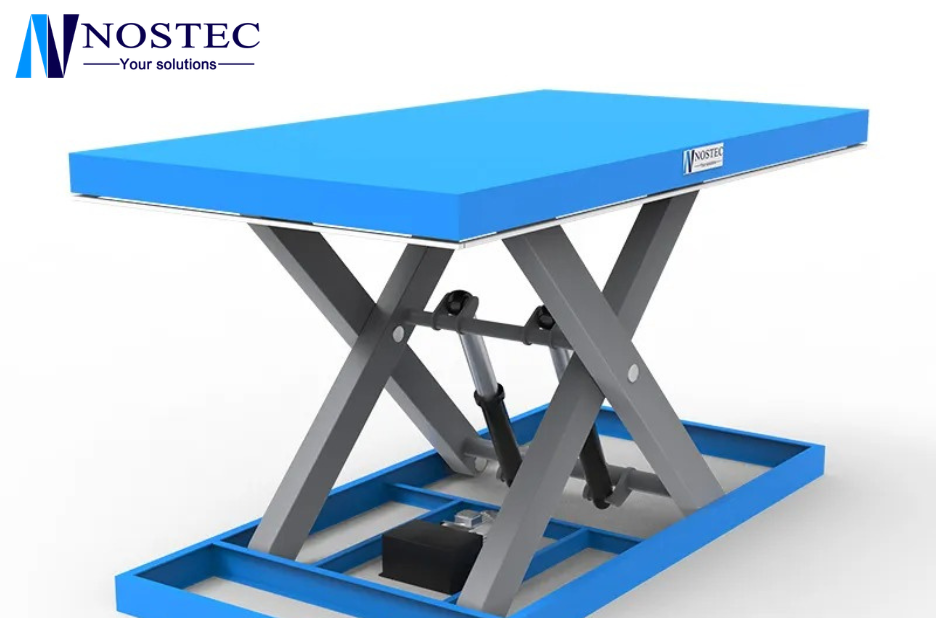
Overview and benefits
When managing maintenance or storage needs in a home workshop, a solid hydraulic car lift for garage is a practical solution. It offers safe vehicle elevation for undercarriage access, tire work, and routine inspections. Modern lifts come with integrated safety features like mechanical locks, adjustable runways, and smooth hydraulic activation to hydraulic car lift for garage minimize strain during lifting. Selecting the right model depends on space, vehicle weight, and how often you’ll use it. This section highlights why a reliable lift makes DIY vehicle care more efficient and enjoyable without compromising safety in a personal garage environment.
Key features to evaluate
Effective selection hinges on capability, footprint, and durability. Look for a hydraulic car lift for garage that supports the expected load, provides stable base plates, and includes user-friendly controls. Consider the height range and lifting speed, as well as compatibility with common wheelbases. Additional elements like drip trays, power requirements, and maintenance access points can influence long-term reliability. Prioritize a kit with clear installation instructions and readily available spare parts to reduce downtime.
Installation and workspace planning
Before purchase, measure your workspace and ensure the ceiling height accommodates full lift travel. A well-planned setup minimizes obstructions and maximizes workflow, especially in garages where space is at a premium. Ensure there is ample room for doors, tool chests, and a service cart. Installation often begins with a solid concrete floor and proper anchoring, followed by electrical connections and safety checks. If unsure, consult a qualified technician to verify mounting points and electrical compatibility for your chosen hydraulic car lift for garage.
Maintenance and safety practices
Regular maintenance keeps any lifting system dependable. Check hydraulic fluid levels, inspect cylinders for leaks, and test emergency stops and safety locks periodically. Keep the work area clean and free of oil spills, and follow manufacturer guidelines for servicing intervals. Training for users is essential so everyone understands load limits, safe operating procedures, and how to react if a fault occurs. A focus on proactive care extends the life of your lift and protects people nearby as you perform routine tasks.
Conclusion
Choosing the right hydraulic car lift for garage involves weighing capacity, footprint, and how it will fit into your workflow. With careful planning and consistent maintenance, a quality lift can transform routine vehicle care into a safer, more efficient process. For many hobbyists and professionals alike, finding a trusted source for parts and guidance matters as much as the initial installation, and keeping an eye on long-term reliability pays dividends in fewer interruptions and smoother projects. nosteclift.com