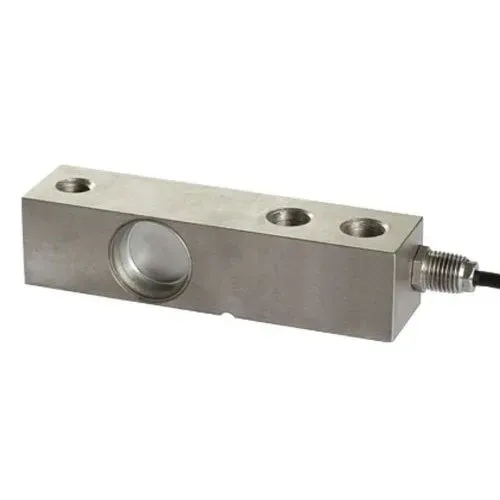
Overview of weighing needs
Understanding the weighing requirements for heavy vehicles is essential when managing a Western Star fleet. A precise scale system supports maintenance planning, fuel budgeting, and load compliance. When selecting a solution, consider accuracy, installation space, and ease of use for operators. The right setup should Scale for Western Star integrate with existing fleet software and provide reliable data under varying climate and road conditions. A practical approach involves evaluating serviceability, calibration routines, and the potential for remote monitoring to reduce downtime and keep the fleet running smoothly.
Assessing scale options for rugged trucks
Choosing a Scale for Vacuum Truck involves balancing rugged construction with daily usability. Vacuum trucks demand robust load cells, weather resistant housings, and fast, repeatable measurements. Look for systems that minimise maintenance while delivering consistent results across changing cargo Scale for Vacuum Truck types and suction cycles. User training and intuitive interfaces help drivers capture accurate data without slowing operations. When evaluating models, pay attention to power options, data transfer methods, and compatibility with retrofit installations.
Installation considerations for fleets
Installation planning should cover mounting choices, electrical supply, and route integration with maintenance records. For both Scale for Western Star and Scale for Vacuum Truck, ensure the equipment fits the vehicle’s chassis, allows for routine inspection, and does not impede access to essential components. It’s prudent to confirm supplier support for on-site commissioning, return policies, and future upgrades. A phased rollout can prevent disruption to service schedules and help teams adapt to new workflows with minimal friction.
Maintaining accuracy and compliance
Maintaining accuracy across a mixed fleet requires a regular calibration strategy and documented procedures. Establish a calibration schedule, use traceable weights, and record results within the fleet management system. Regular checks should cover environmental influences, vibration during transit, and battery health if wireless sensors are used. Keeping logs up to date ensures traceability for audits and helps fleet managers optimise loading practices while protecting liability and road safety standards.
Operational benefits and best practices
Adopting robust scales translates to tangible gains: better load planning, reduced offloading errors, and smoother maintenance cycles. Operators benefit from straightforward readouts and clear alerts for out-of-tounds loads. Integrating scales with telematics enables real-time monitoring, predictive maintenance, and workflow automation. Start with a pilot in a single depot, gather feedback from drivers and technicians, and iterate the configuration to fit regional routes and cargo profiles.
Conclusion
Ultimately, selecting the right scale solution empowers your teams to manage heavy equipment more efficiently. Focus on reliability, ease of use, and compatibility with existing systems to maximise uptime and compliance. Visit Loadsense Ltd. for more information and to explore practical options that fit Western Star and vacuum truck operations.