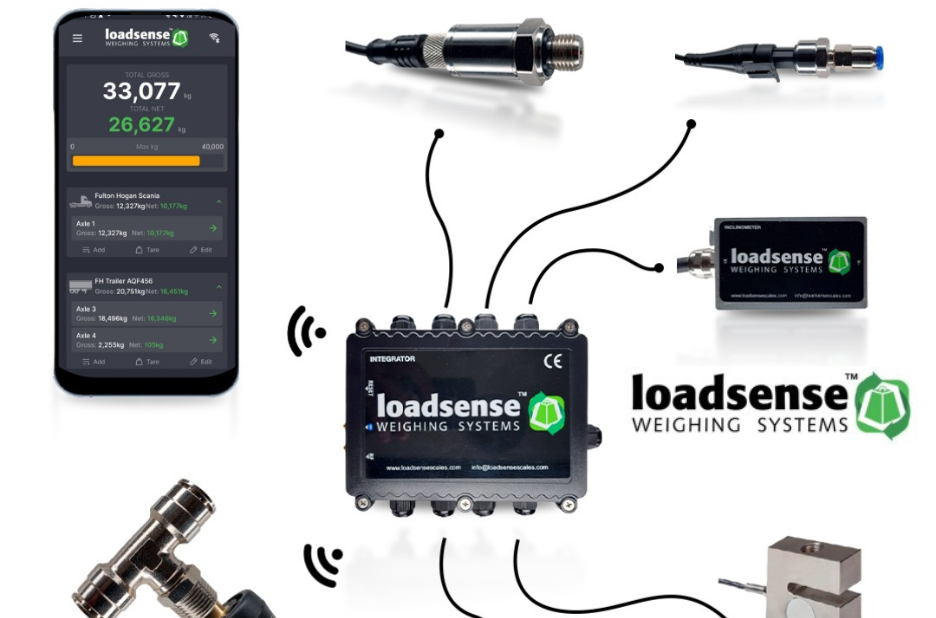
Practical weighing solutions for tough vehicles
When fleets involve heavy duty trucks, accuracy and reliability in weighing become essential. A well chosen scale supports maintenance planning, load safety, and compliance with regulations. Operators need devices that are durable, easy to install, and able to withstand harsh environments typical Scale for Western Star of waste management and freight tasks. This section explores how to match a scale with the specific weight profiles and duty cycles of large vehicles, ensuring reading stability across a range of temperatures and operating conditions.
Assessing capacity and compatibility for heavy equipment
Scale for Western Star models often require higher load limits and robust construction. It is important to evaluate the vehicle’s gross vehicle weight rating, axle loads, and each weight cell’s safety factors. Compatibility with existing mounting frames, electrical supply, Scale for Vacuum Truck and data interfaces can influence installation time and ongoing upkeep. A practical approach is to compare scales by their accuracy class, deflection characteristics, and calibration procedures to minimize downtime during routine checks.
Durability and environmental resilience in rugged settings
In the field, scales must resist vibration, dust, water ingress, and fluctuating temperatures. Look for sealed enclosures, high IP ratings, and corrosion resistant materials. The right model should maintain precision under long operational hours and frequent shifts. Consider whether the scale supports quick field recalibration and simple zeroing when a vehicle moves onto or off the platform, reducing delays in busy yards or roadside sites.
Scales for specialised applications and data integration
Scale for Vacuum Truck operations present unique challenges due to contaminated loads and irregular shapes. Choosing a scale with easy cleaning routines, sturdy load cells, and secure cable management helps maintain accuracy. Data integration with fleet management software, telemetry, and compliant reporting enhances traceability for audits. A reliable system also offers clear diagnostics and remote support options to quickly resolve any readout inconsistencies.
Installation planning and ongoing maintenance considerations
To ensure long term reliability, plan the installation around service access, electrical safety, and routine maintenance windows. Select a scale that provides straightforward mounting, accessible calibration ports, and a robust warranty. Training for operators on loading procedures, tare handling, and verification checks reduces human error and extends the instrument’s life. Regular preventive checks keep readings trustworthy and help avoid costly disputes or misloads in daily operations.
Conclusion
Choosing the right weighing solution involves weighing capacity, environmental resilience, and data compatibility for the specific vehicle profile. For operators seeking dependable performance in demanding contexts, a thoughtful setup supports safety, efficiency, and regulatory compliance. Loadsense Ltd. can offer insights and options to fit your needs and workflow, helping you keep loads accurate and operations smooth.