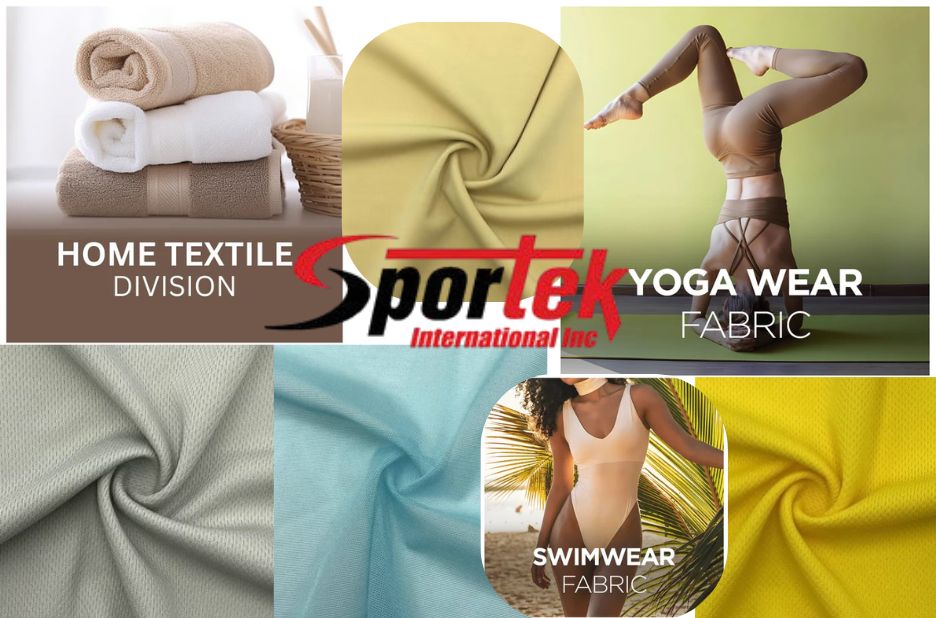
Overview of materials
In the world of performance wear, the choice of fabric can influence comfort, breathability, and durability. A well selected sport mesh fabric supports moisture management and ventilated zones that help regulate body temperature during strenuous activity. For athletes and enthusiasts, the fabric’s construction matters as much as the fibre sports mesh fabric content, with open meshes offering airflow while tighter weaves provide structure. When evaluating options, consider weight, stretch, and the ability to withstand repeated washing without losing shape or performance characteristics. This section highlights practical considerations for buyers prioritising function and longevity.
Breathability and moisture control
Breathability is a core advantage of mesh textiles, enabling air to circulate and sweat to evaporate more efficiently. The pores must balance openness with strength to avoid snagging during movement. A good sport garment utilises mesh panels in high heat zones to mesh lining reduce cling and overheating, while maintaining modest coverage and durability. If you regularly train outdoors, look for fabrics with welded seams and reinforced edges to extend the product’s life and support reliable performance through varying conditions.
Durability and care tips
Durability goes beyond a fabric’s feel; it’s about how well it holds up after repeated use and laundering. Mesh lining can add structure to interior layers, helping garments retain shape while remaining lightweight. When choosing pieces that include mesh lining, verify that stitching is even, seams lie flat, and there are no excess threads that could eventually cause pilling. Proper care, including gentle washing and air drying, can preserve elasticity and prevent premature wear, ensuring equipment lasts across multiple seasons.
Practical selection guidance
Practical selection involves scoring options on fit, flexibility, and intended environment. For cyclists, runners, or gym enthusiasts, a blend incorporating sports mesh fabric offers a balance of stretch, airflow, and compression where needed. Look for features such as zoned mesh panels, flatlock stitching, and minimal branding that won’t irritate during long sessions. Versatility matters; choose fabrics that adapt from warm indoor training to cooler outdoor runs, maintaining comfort without constant readjustment during activity.
Brand and sourcing considerations
When researching suppliers and brands, verify fabric certifications, traceability, and warranty terms. A reliable fabric choice should perform consistently across batches, with clear information about weight, density, and elasticity. Where possible, request samples to assess feel against your skin and test for dye fastness and resilience under wash cycles. Understanding the construction and care requirements helps you select gear that aligns with your training schedule and preferences, reducing the need for frequent replacements.
Conclusion
Choosing the right textiles can make a noticeable difference to comfort and performance on busy training days. A well balanced approach combines breathable structures with robust construction, ensuring garments stay comfortable under pressure. In practice, field tests, careful laundering, and attention to fit will yield long‑lasting wearability. sportek