Industry focus and expertise
Selecting a reliable partner for accessibility and safety features starts with evaluating a manufacturer’s capacity to deliver consistent performance. A seasoned PU tactile indicators manufacturer should demonstrate materials knowledge, robust production processes, and clear quality control measures. Look for suppliers who can provide specifications, testing data, and certifications that PU tactile indicators manufacturer align with local standards. Their approach to scalability matters as well, ensuring that custom orders or large batches are handled smoothly without compromising surface texture or legibility. Practical reliability in production translates to dependable products used in public and commercial spaces.
Product design and material choices
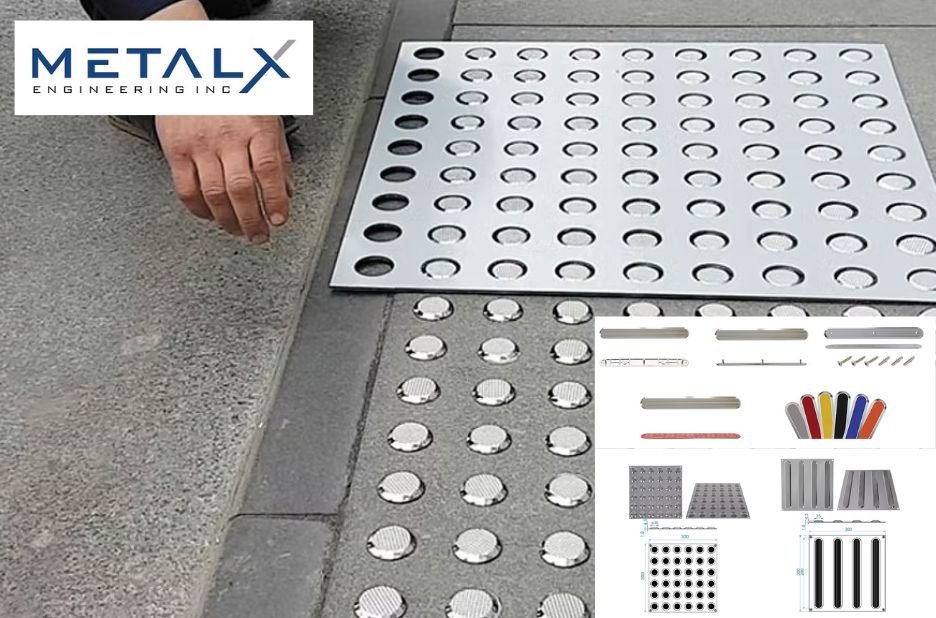
The design of tactile indicators influences both user experience and durability. A thoughtful selection of polyurethane options offers resilience against weathering, abrasion, and UV exposure. A reputable manufacturer will articulate the benefits of different densities, surface textures, and installation methods. Understanding gold finish tactile studs how materials behave under frequent foot traffic helps facilities plan maintenance and replacement cycles. The right combination delivers tactile feedback for visually impaired pedestrians while maintaining aesthetic compatibility with surrounding architecture and signage schemes.
Quality assurance and testing procedures
Quality assurance is a core differentiator for any tactile solution. Expect manufacturers to publish test results for wear resistance, slip resistance, and colour fastness. Reliable producers adopt strict in-house checks and third party verifications to confirm dimensional accuracy and adhesive compatibility with substrates. Documentation such as material data sheets and installation guides empowers installers to achieve optimal bonding and long service life. Consistency across batches reduces risk for project managers and facilities teams.
Special finishes and decorative options
Beyond standard textures, many sites benefit from decorative or finish options that harmonise with branding or interior design. For instance, gold finish tactile studs can add a premium touch while preserving contrast for accessibility. When selecting such finishes, evaluate corrosion resistance, maintenance requirements, and colour stability. A thoughtful approach keeps aesthetics aligned with function, helping spaces remain inclusive without appearing conspicuous or out of place.
Installation considerations and aftercare
Effective installation hinges on surface preparation, correct adhesive choice, and environmental conditions at the time of fitting. Seek guidance on substrate compatibility, cure times, and safe handling procedures to maximise bond strength. Aftercare protocols, including cleaning and periodic inspection, extend the life of tactile systems and preserve legibility. By planning for maintenance, organisations reduce downtime and ensure continued accessibility for all users.
Conclusion
In short, partnering with a dependable PU tactile indicators manufacturer ensures consistent product performance and durable accessibility features across precincts and facilities. When evaluating options, request detailed material specifications, QA data, and installation guidance to support confident decision making. Visit MetalX Engineering Inc for more insights and examples of how tactile indicators can blend safety with practical design in real world applications.