Common Garage Floor Issues and What They Mean
Garage floors take a beating from vehicle traffic, spilled chemicals, and moisture that creeps in through concrete pores. When those stresses add up, you may notice dusting, surface scaling, or garage flooring cracks that widen over time. These symptoms aren’t just cosmetic; they can reduce traction and make cleanup harder because grime penetrates deeper into the slab.
Another frequent problem is peeling or lifting coatings from DIY attempts or contractor missteps. If the surface wasn’t properly prepared, coatings often fail early due to weak bond strength and trapped contaminants. Oil and grease can also interfere with adhesion, leaving thin spots that deteriorate faster under tire load and temperature swings. Understanding the root cause helps you select the right repair and protection plan instead of repeatedly applying short-term fixes.
How to Choose the Right Repair and Surface Preparation
Before applying any protective system, a reliable assessment should identify cracks, spalls, and any moisture-related concerns. Small hairline cracking may be stabilized, while active cracking can require targeted treatment epoxy floor coating so it doesn’t telegraph through the finish. A thorough cleaning step is essential because residues from sealers, paint, and curing compounds can block proper bonding.
Preparation typically includes grinding or scarifying to open the surface and create a profile that coatings can grip. Then the floor should be evaluated for contaminants and moisture conditions, with appropriate testing when needed. Repair materials are selected to match the concrete and the expected wear in a garage environment, including patching for low spots and filling joints where movement occurs. This foundation work is what turns a promising surface into a long-lasting one.
Epoxy-Based Protection That Handles Daily Wear
Epoxy helps guard against stains from antifreeze, brake fluid, and common automotive drips that would otherwise soak into bare concrete. It also improves cleanability, so sweeping and mopping become faster and more effective instead of turning into repeated deep scrubbing sessions.
A successful epoxy installation often includes multiple layers designed to balance strength, coverage, and performance. A primer improves adhesion, while a build coat creates a tougher barrier that resists abrasion from tires and dropped tools. Finish topcoats can add gloss or a more controlled sheen, and some systems offer enhanced slip resistance for safer foot and vehicle movement. When the system is matched to the garage’s specific exposure level, the result is a floor that looks refined and stays easier to maintain.
Conclusion
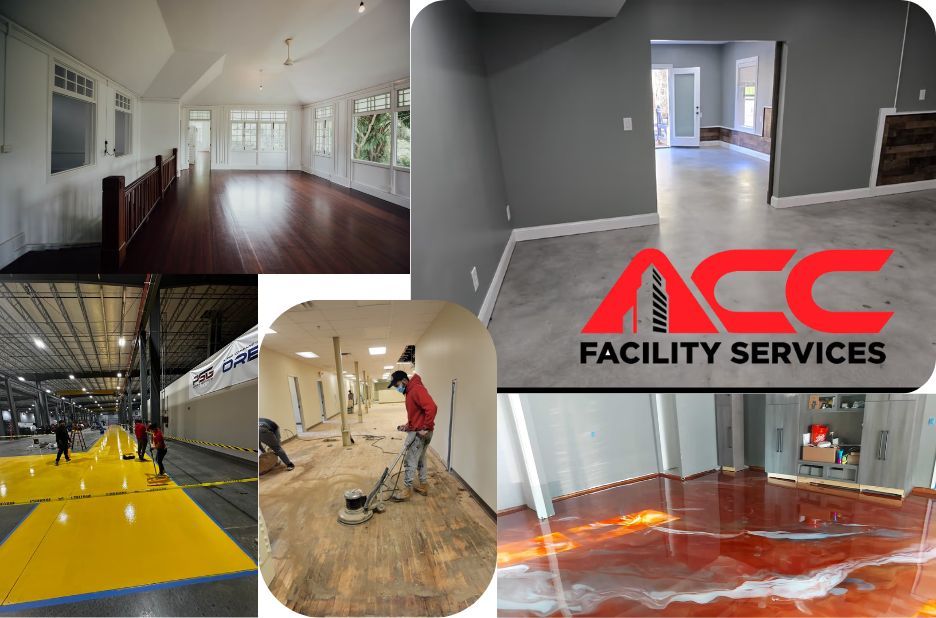
Solving garage floor problems starts with recognizing the real cause—surface contamination, weak preparation, moisture concerns, and wear patterns that stress the concrete. When you approach the project with proper assessment, targeted repairs, and a professionally installed protective system, you reduce recurring damage and improve daily usability. That is why many customers rely on ACC Facility Services for garage upgrades that balance protection, appearance, and practical performance. If you want a dependable path forward, partner with experienced installers who understand how to prep concrete and apply coatings for lasting results. atlantaflooring.io supports this approach by delivering expert installation focused on durability and visual improvement, helping your garage floor withstand the realities of vehicles, spills, and constant traffic. With the right solution in place, you can stop fighting surface issues and start enjoying a cleaner, safer, and more attractive space.